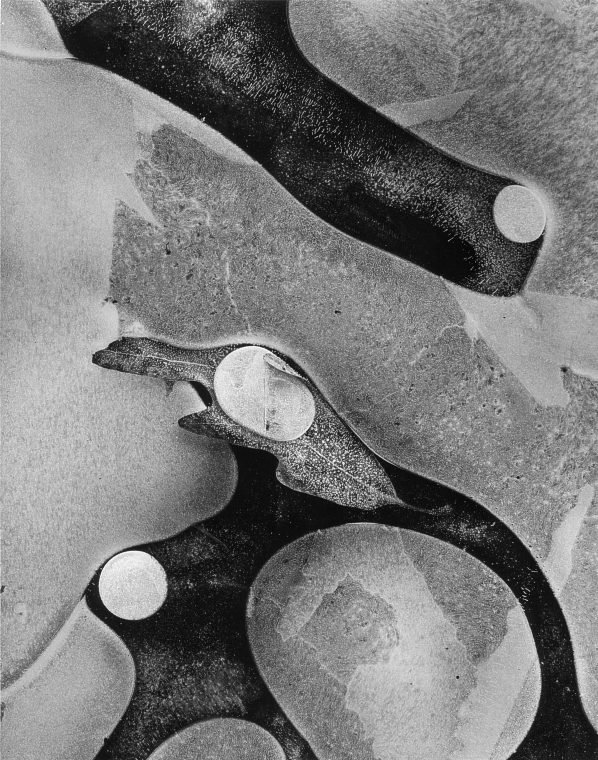
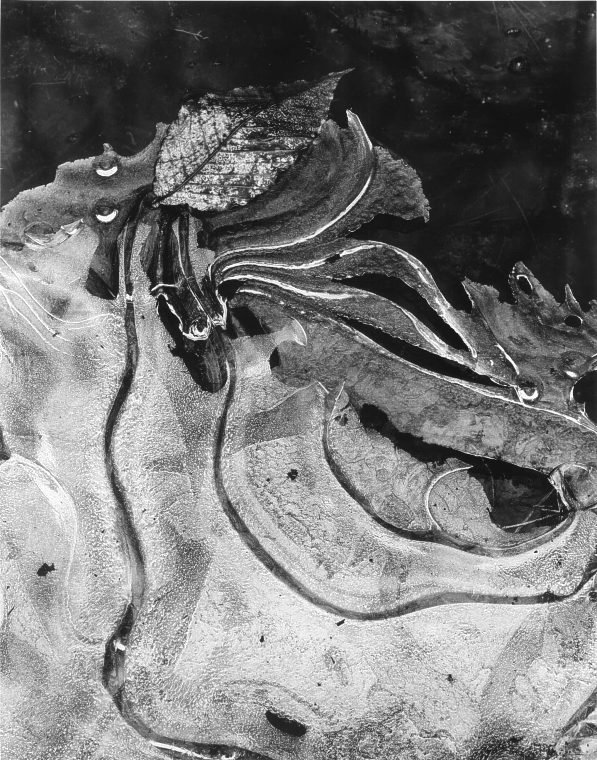
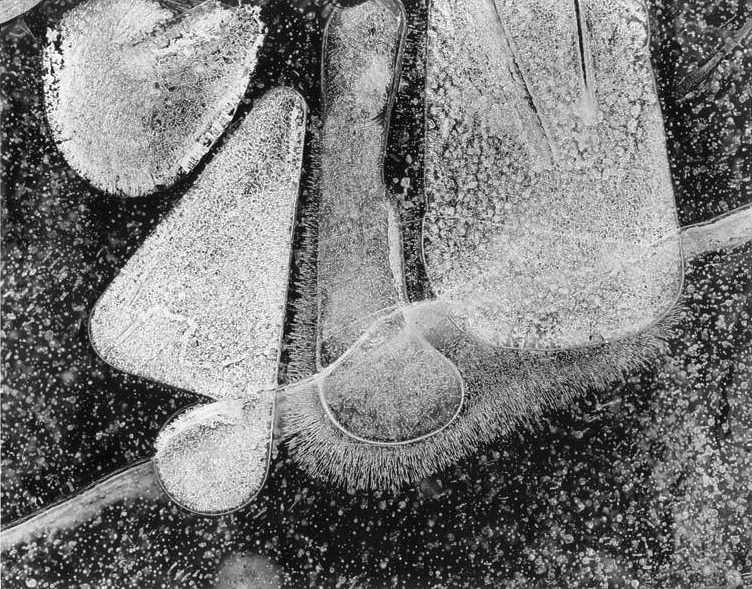
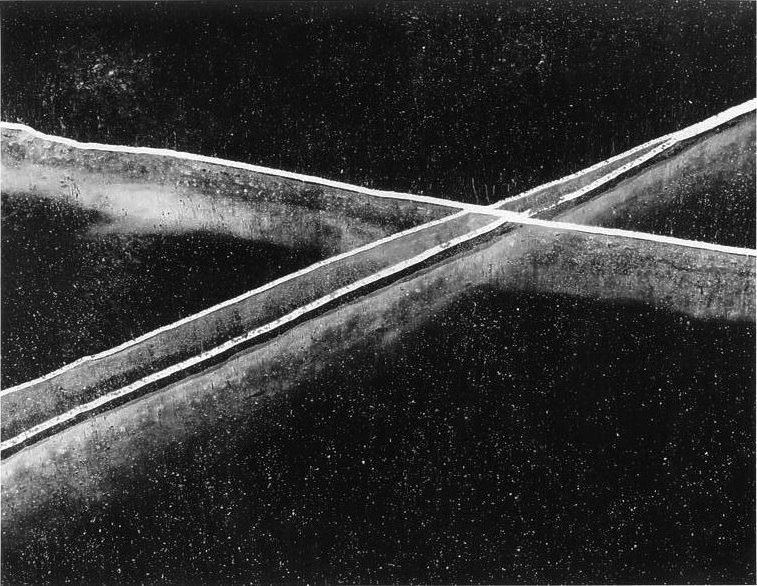
Freeze Frames
Click a picture for a larger image
Freeze Frame Photography —Black-and-White Motion Studies
Motion suspended. Energy captured. Time held perfectly still.
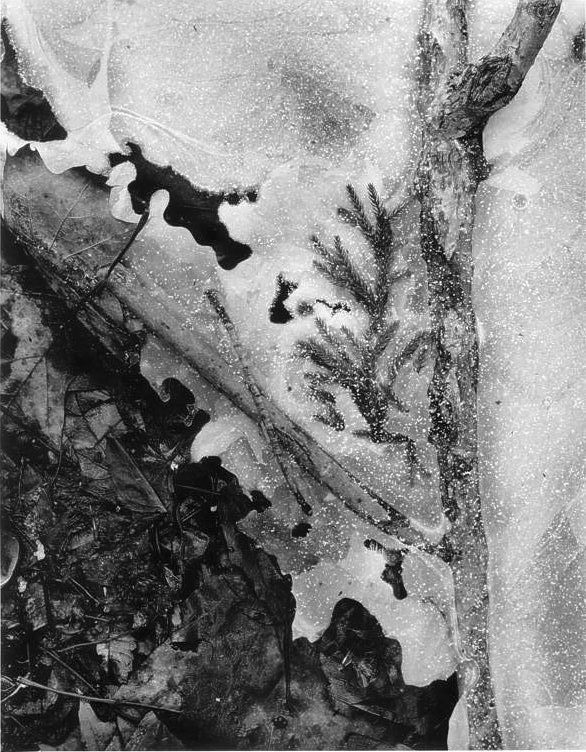
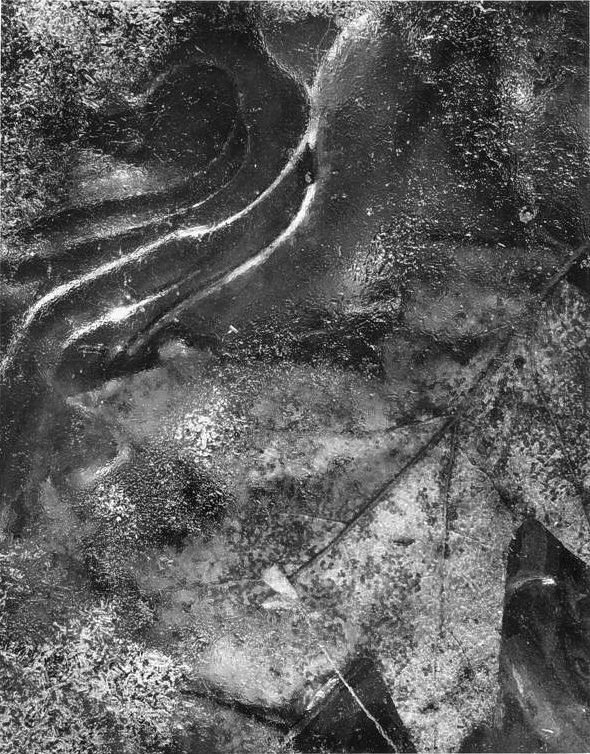
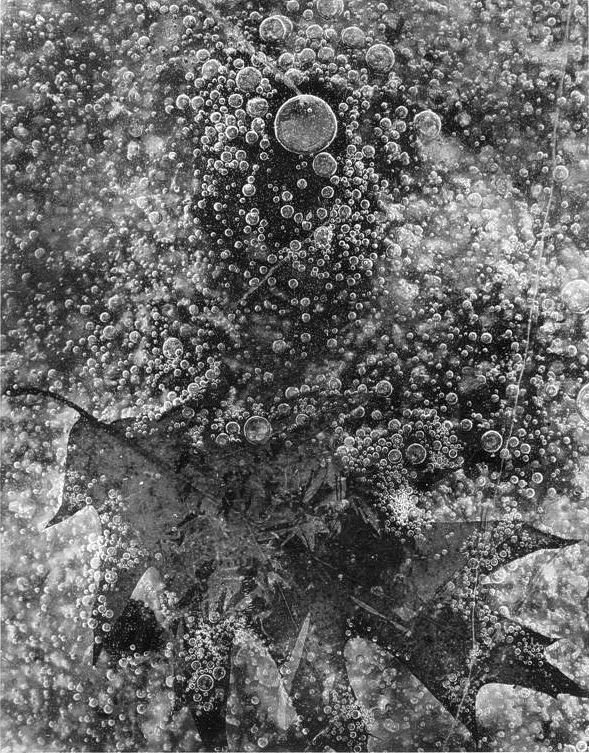
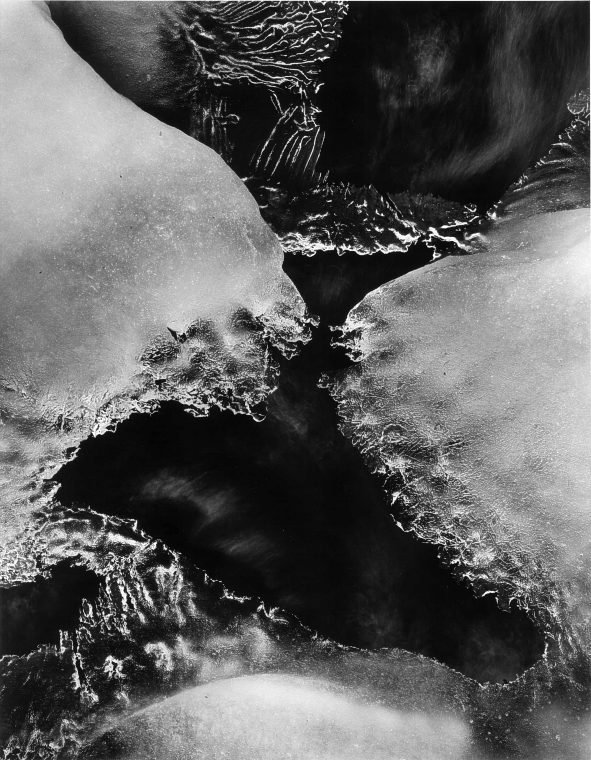
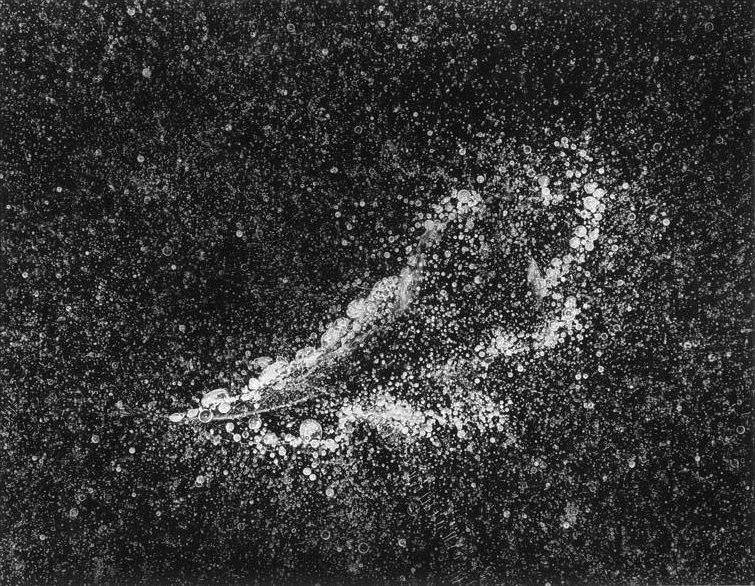
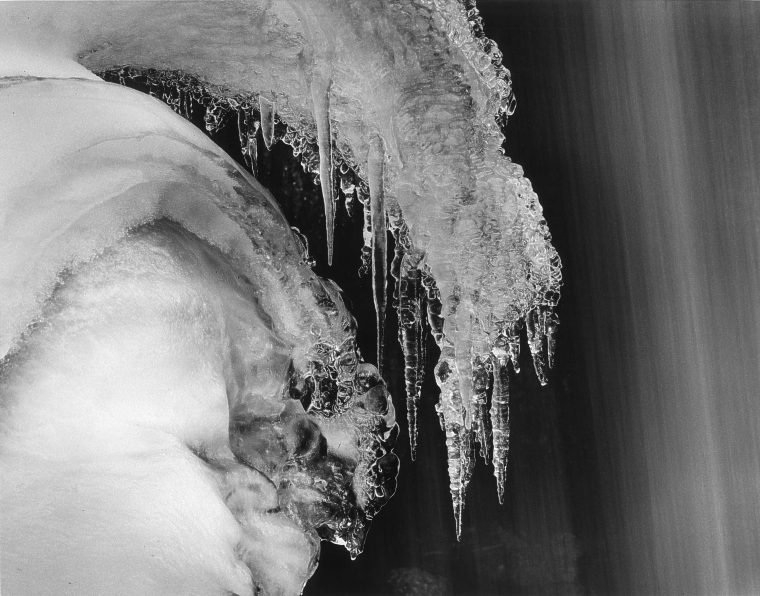
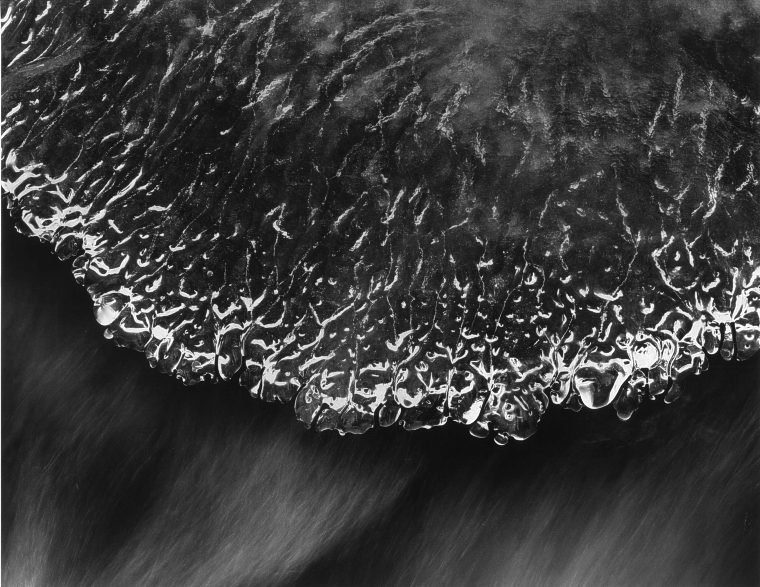
Freeze frame photography isolates fractions of seconds invisible to human perception. Peter Dreyer’s freeze photography captures the movement at its peak.
The instant before resolution, when kinetic energy hangs in perfect suspension.
- Water droplets float mid-cascade.
- Little detailing of fabric billows in the wind.
- Smoke curls without dispersing.
- These images reveal the hidden choreography of motion.
- Analog timing determines success or failure.
There is no safety net of digital capture, no opportunity to select from hundreds of frames. Each exposure requires anticipation, precision, and decades of practiced intuition.
Motion Capture Photography in the Darkroom
Motion capture photography in analog form demands complete mastery of timing and light. Shutter speeds must be calculated exactly. Too fast and the subject freezes into stillness. Too slow and motion blurs into abstraction.
His darkroom work extends this precision into the printing process. Dodging and burning emphasize movement paths. Contrast adjustments separate subject from background. Each print is developed to reveal maximum detail in both static and moving elements. The resulting images possess clarity and drama that digital processing rarely achieves.
Black-and-White Motion Prints and Their Visual Drama
Black-and-white motion prints eliminate color’s distraction from form and movement. Monochrome emphasizes texture, trajectory, and tonal contrast. Blurred edges suggest velocity. Sharp details anchor the eye.
The interplay between these elements creates visual tension. Peter Dreyer’s compositions guide viewers through frozen moments. Diagonal lines imply direction. Negative space allows motion to breathe. High contrast adds emotional intensity.
These prints function as both technical achievements and artistic statements. They prove that analog methods can capture phenomena once thought to require high-speed digital equipment.
Freeze Frame as Fine Art Wall Photography
Fine art wall photography must command attention and reward extended viewing. Peter Dreyer’s freeze frame series achieves both goals. Images scale well to large formats without losing detail.
Silver-gelatin prints maintain tonal richness at any size. The subject matter, suspended motion, creates immediate visual impact. Architectural spaces benefit from the dynamic energy these works introduce.
Collectors appreciate how the images activate rooms without overwhelming them. Minimalist compositions complement modern interiors. The monochrome palette integrates with diverse color schemes. Each piece functions as both focal point and ambient presence.
Museum-Grade Prints and Archival Craftsmanship
Museum-grade prints require materials and processes that ensure longevity. Peter Dreyer employs archival chemistry for all development and fixing stages. Fiber-based papers provide superior permanence compared to resin-coated alternatives. Extended washing removes residual chemicals that cause degradation over time.
Selenium toning adds both aesthetic depth and protective stability. Prints are dried on screens to prevent fiber compression. Handling occurs with cotton gloves to avoid skin oils. Storage uses acid-free materials exclusively. The result is artwork that meets or exceeds museum conservation standards. These prints will outlast their creator by centuries without visible deterioration.
The Art of Holding Time Still
Freeze frame photography reveals moments that exist only in transition. The eye cannot hold them. Memory cannot preserve them. Only the photograph captures their precise form.
Peter Dreyer’s work demonstrates that analog processes remain unsurpassed for certain applications. The directness of film, the richness of silver-gelatin printing, the physicality of hand-made prints, these qualities distinguish his motion studies from digital equivalents. Each image is a collaboration between subject, equipment, and artist. Split-second timing meets patient darkroom craft.
The frozen moments invite viewers to contemplate motion, time, and the photographer’s ability to seize both. These works transform ephemeral events into permanent visual experiences that continue to resonate long after the original motion has passed.