
How Black and White Photo Prints Enhance Emotional Impact
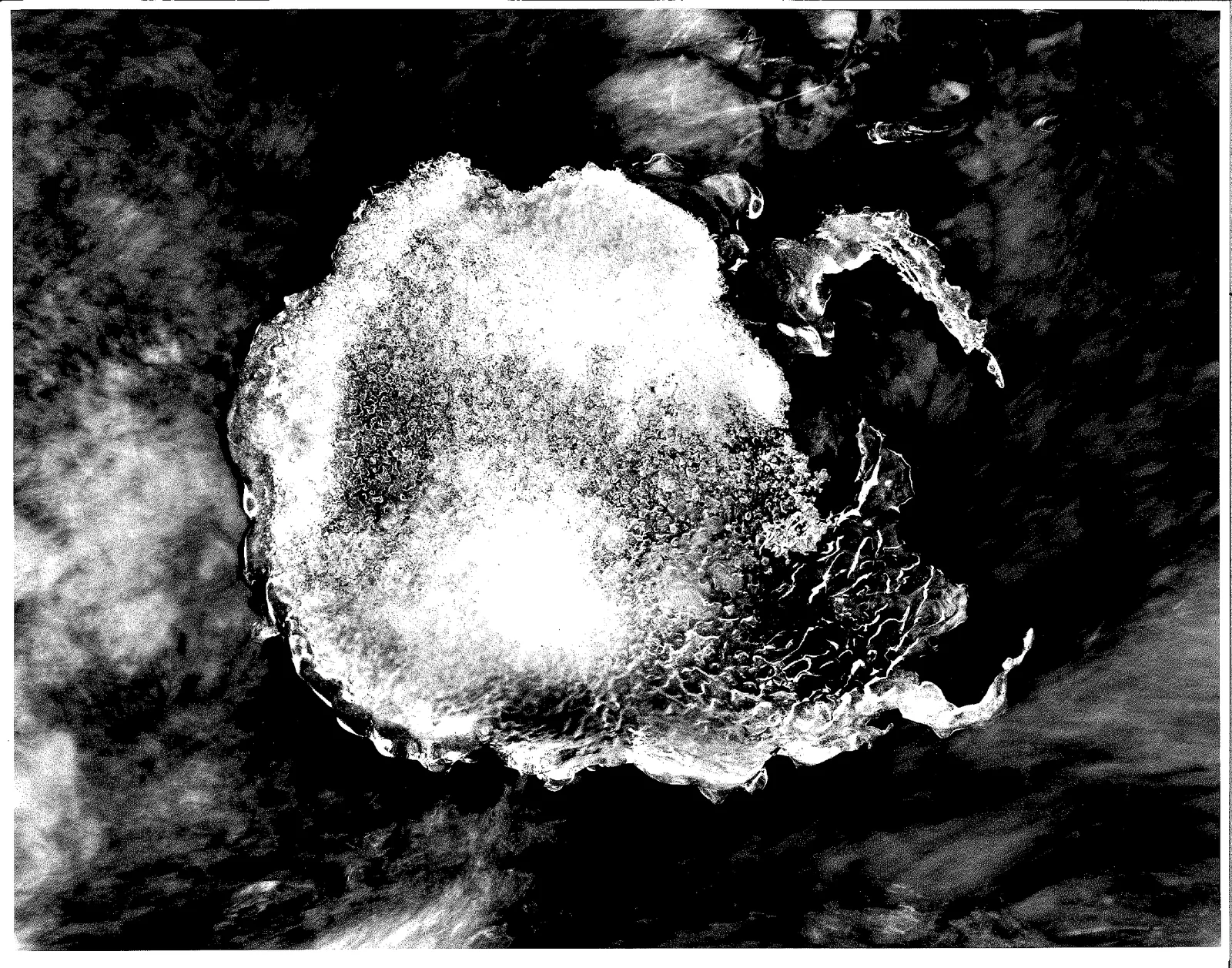
People often struggle to connect emotionally with wall art. Color can distract. Trends fade. What remains is feeling. This is where black and white photo prints quietly take over. They remove noise and ask the viewer to slow down.
Without color, attention shifts to light, shadow, and form. The work here doesn’t aim to decorate a space. It invites reflection.
These photographs capture overlooked moments and subtle structures that color photography often masks. The result is emotional clarity. Viewers are not told what to feel. They discover it on their own.
When monochrome strips a scene to what actually matters
Color explains too much and leaves little room for personal interpretation. Black and white photography creates space for viewers to bring their own meaning to what they see. The contrast guides attention without forcing a specific emotional response.
Light becomes the primary subject while shadow adds layers to the narrative. Landscapes, objects, and textures gain intensity through this reduction because there’s nothing competing for the eye’s focus. Each element in the frame carries more weight when color isn’t there to distract from form and composition.
Artistic black and white photography that anchors a room instead of decorating it
These images don’t exist to match furniture or follow interior design trends. Artistic black and white photography from the darkroom carries deliberate visual weight that grounds a space rather than simply filling it. Each print holds the wall without demanding constant attention, which is a rare quality in contemporary art.
The work doesn’t rely on what’s currently popular because it’s built on formal principles that outlast any trend cycle. Collectors of Dreyer photos understand they’re not purchasing décor but investing in a presence that will matter for decades.
Why emotional response deepens without color cues
Color often dictates how viewers should feel before they’ve fully engaged with an image. Warm tones push toward comfort while cool palettes suggest distance or melancholy. Black and white photography removes those preset emotional shortcuts entirely.
The response has to come from composition, timing, light quality, and the viewer’s own experiences. That requirement for active engagement creates connections that feel more personal and less manufactured. The emotion isn’t instant or easy, but once it arrives, it tends to stay.
How silver gelatin and giclée printing make emotion tangible
Material quality directly affects how people respond to photographic prints. The work uses printing methods that create physical depth rather than flat reproduction. Blacks carry actual density in silver gelatin prints while whites maintain texture and breathing room.
This tactile reality strengthens the emotional experience because the print becomes an object with presence, not just a picture on paper. The printing process at my gallery, Dreyer Photos, preserves these material qualities that digital methods simply cannot replicate, which matters to anyone who values authenticity in what they collect.
Why do these images reveal more over time
Most wall art exhausts its visual interest within days or weeks of hanging. These prints do the opposite by revealing new details and relationships as familiarity grows. A shadow that seemed decorative suddenly carries meaning when light hits it differently throughout the day. Textures gain prominence as the eye learns where to look.
The emotional impact doesn’t fade with repeated viewing but actually deepens because the work rewards sustained attention rather than offering everything immediately.
Conclusion
Black and white photography rewards patience. These prints are not immediate statements. They are lasting ones. By removing color, the work invites honest engagement. Emotion arrives quietly and stays. These photographs do not chase trends or moods.
They hold space for personal interpretation. For collectors and viewers alike, that restraint is what makes them powerful. Emotional impact does not need exaggeration. It needs clarity, intention, and time.
FAQs
Can black and white landscape photography convey mood or emotion?
Very much so. In fact, black and white often makes emotion clearer. Without color pulling attention away, the viewer notices light, shadow, weather, and scale. A foggy field can feel lonely. A mountain range can feel powerful or still. Black and white landscapes tend to slow people down and invite reflection rather than quick visual consumption.
Are black and white photo prints suitable for modern interior design?
Yes, and that’s one reason they remain popular. Black and white prints work effortlessly in modern spaces because they don’t clash with furniture or wall colors. They feel intentional and calm. In minimalist interiors, especially, a strong black and white landscape adds depth without visual noise.
Where can you buy authentic black and white photo prints?
Look for artist-run websites, fine art galleries, museum shops, and reputable photography platforms that list edition sizes and printing methods. Authentic prints usually come with artist signatures, certificates of authenticity, or clear provenance. Avoid mass décor sites if you want real fine art.
How does black and white enhance landscape photographs?
It simplifies the scene. Texture in rocks, movement in clouds, and contrast between light and land become more expressive. Black and white also emphasizes timing. The moment the photo was taken matters more than the color palette.