
How Reflex Photography Differs from Traditional Photography
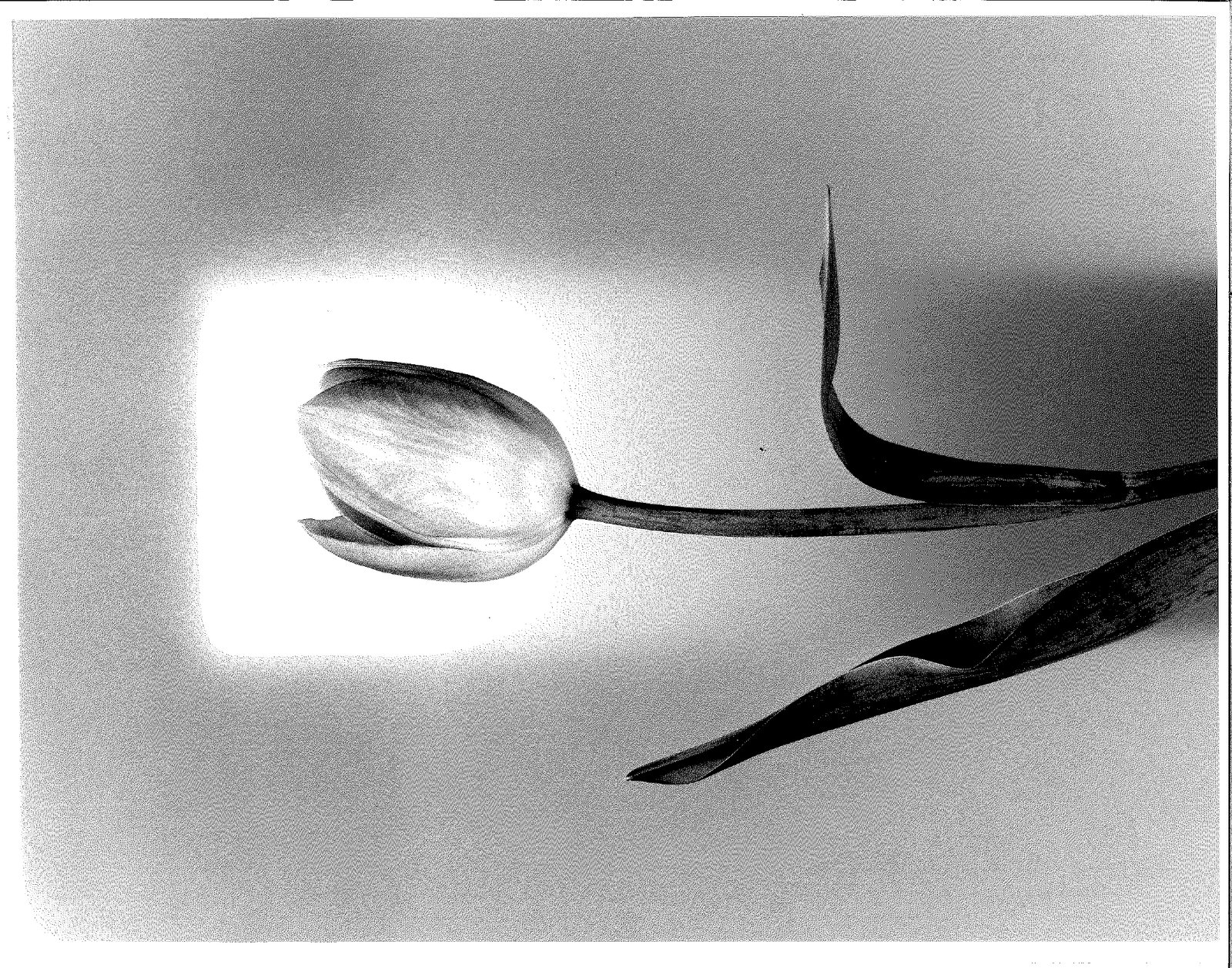
Many viewers assume photography records reality as it appears. Reflex photography challenges that belief immediately. Reflections bend space. Surfaces fracture form. These images are not manipulations added later.
They are moments observed with precision and patience. The discomfort some viewers feel is intentional.
These images resist certainty. Instead of presenting a clear subject, they ask questions:
What is solid?
What is reflection?
What is accidental?
That tension separates reflex work from traditional photographic practice.
Reverse-Reflex Photographs that refuse a single point of view
These images feel layered because glass, metal, and light actually interact in complex ways that most photography tries to simplify.
Reverse-Reflex Photographs capture that natural interaction without forcing it into neat clarity or single-point perspective. The approach doesn’t clean up visual chaos but observes it with careful intention about where to stand and when to click.
Buildings dissolve into their reflections while lines overlap in ways that refuse to resolve into one simple reading. This ambiguity isn’t confusion for its own sake but an honest representation of how reflection actually works in urban and architectural spaces.
Why Reverse-Reflex Photography feels contemporary
The fragmented quality of these images mirrors how people experience visual information today. Reverse-Reflex Photography reflects that contemporary experience without commentary or explanation. Nothing exists in clean isolation anymore because everything bounces off something else, both literally and metaphorically.
The work doesn’t force this connection but presents images that feel true to how perception actually functions in environments filled with reflective surfaces.
That alignment with lived experience is what makes these photographs feel current rather than experimental for experiment’s sake.
Controlling chaos through observation
Reflex photography involves deliberate choices even though the final images feel spontaneous. Angle, distance, timing, and available light all get considered before the shutter clicks. The unpredictability happens within a framework of intention rather than random chance.
Positioning happens in specific locations where reflection and solid form will interact meaningfully, which requires understanding how light behaves on different surfaces. That discipline separates this work from accidental captures or lucky shots that might look similar but lack the underlying structure.
Darkroom work is part of the process
The prints go through alterations in the darkroom that extend the observation rather than correct mistakes. Contrast gets adjusted to emphasize certain relationships between reflected and solid elements.
Tones get deepened or pulled back to guide the eye without dictating what it should see. This isn’t about making images prettier or more palatable but about amplifying what was already present in the captured moment.
The darkroom becomes another stage in the act of seeing, which continues the work rather than simply processing it for display.
Why viewers return to these images
Each viewing session reveals something that wasn’t apparent before because these prints don’t give up all their information at once.
A reflection that seemed like background suddenly becomes a primary form. Confusion about what’s solid and what’s reflected shifts into curiosity about how the two relate.
At Dreyer Photos, print art rewards the kind of sustained attention that most contemporary imagery doesn’t ask for or support. That quality of revealing rather than exhausting makes them valuable for long-term viewing.
Conclusion
Reflex photography succeeds precisely because it resists easy explanation. Instead of documenting the world as it appears, the work invites uncertainty and rewards sustained attention.
These images challenge viewers to reconsider what is solid, what is reflected, and how perception is shaped by context.
By shifting focus away from simple representation, reflex photography reveals the act of seeing itself. That exploration of perception is what gives the work its depth and lasting relevance.
FAQs
How do reflex photographs create abstract or mirrored effects?
They rely on reflections from glass, water, metal, or polished surfaces. These reflections bend reality. Buildings overlap with the sky. Faces dissolve into patterns. The camera captures layers that the eye doesn’t fully register in real time.
Why is reverse-reflex photography popular among contemporary photographers?
Because it reflects how modern life feels. Fragmented, layered, and slightly disorienting. Reverse-reflex photography questions what is real and what is perceived. It feels modern because it resists literal representation.
How do artists preserve and frame reverse-reflex photographs?
Most use museum-grade archival paper and UV-protective glass. Frames are often simple to avoid competing with the image. Since reflections are already part of the artwork, the framing must be clean and intentional.
How do photographers control reflections and distortions in reflex photography?
They don’t fully control them. That’s the point. Photographers choose surfaces, angles, and light conditions, then allow chance to participate. The best reflex images come from patience and observation rather than force.