

Black and White Photography — Crafted Through Film & Light
Where Light Reveals What Color Obscures
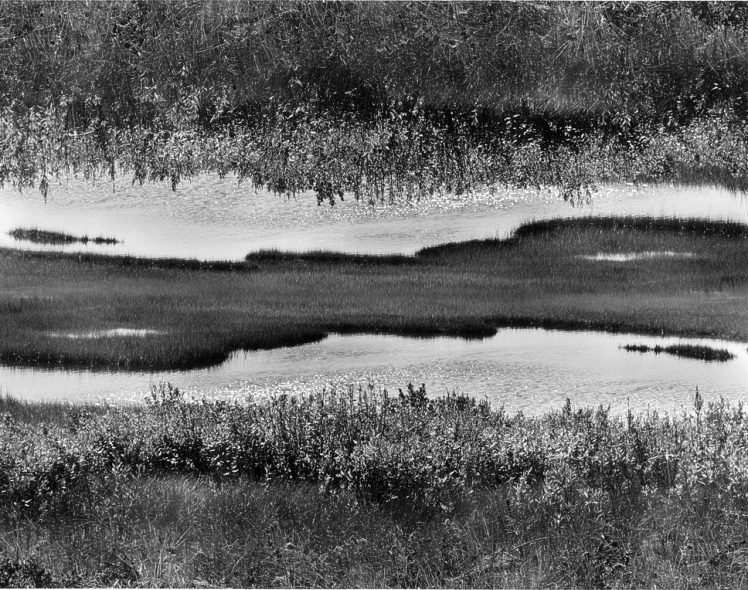
Black and white landscape photography made without digital intervention. At Dreyer Photos, each image begins with large-format film and ends as a fiber-based print, developed by hand in a traditional darkroom. The process strips away distraction. What remains is structure, light, and the essential character of a place.
Peter Dreyer has worked as a photographer for over 40 years. His practice centers on observing:
- Coastal textures
- Architectural lines
- The geometry of frozen water
These are not manipulated scenes. They are deliberate choices about what to include and what to leave out. Simplicity is not the absence of complexity. It is clarity after consideration.
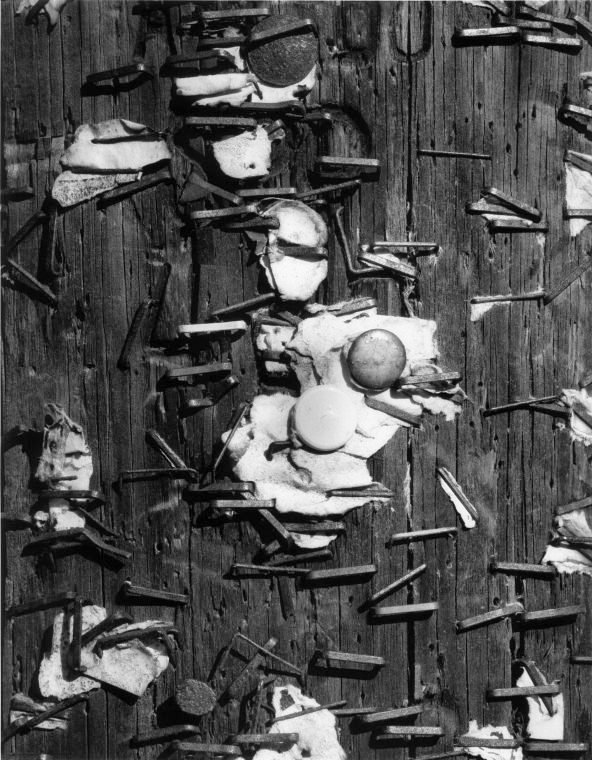
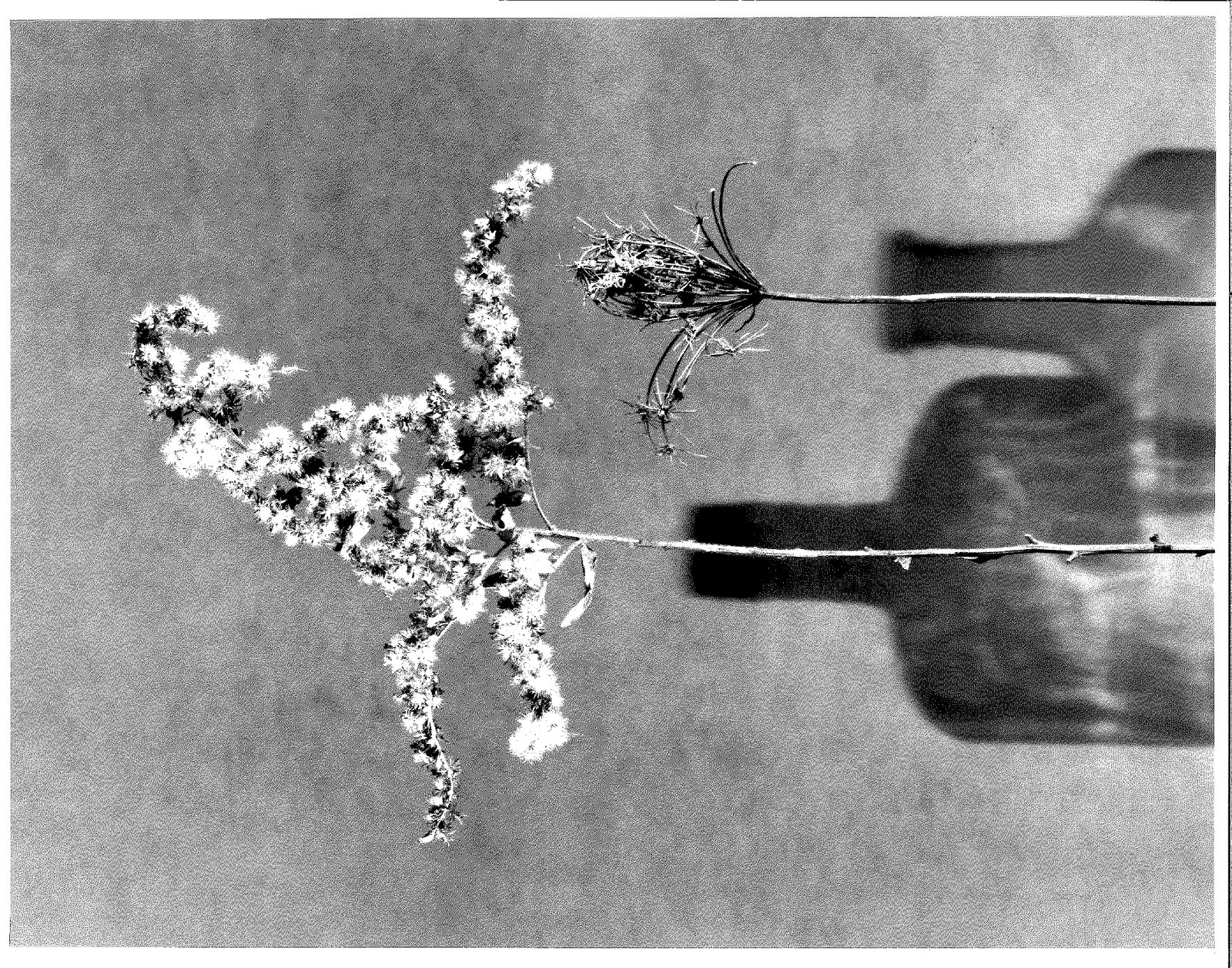
The Work: Precision in Silver and Gelatin
Peter Dreyer’s collection represents decades spent refining a vision. Artistic black and white photography requires exposure, contrast, print density, and tonal range. Dreyer makes those choices in a wet darkroom using chemistry and light, his skills, instead of any software.
The subjects span distinct bodies of work. Open coastlines capture the stillness of natural spaces without romanticism. Architectural studies present clean angles and shadow as form, reducing buildings to their essential lines.
The ‘Freeze Frames’ series isolates moments when physics becomes visible, ice crystallizing into intricate patterns, bubbles suspending mid-formation, frost etching glass with lace-like precision.
Light, Shadow, and Symmetry
A signature technique defines much of this portfolio: Reverse-Reflex.
The camera turns 180 degrees and captures the same scene twice once direct, once reflected. The two halves meet seamlessly at the center, creating symmetrical compositions that challenge perception. An Edgartown rooftop becomes an Escher-like pyramid. The On-Time Ferry appears to cross itself mid-journey. Reality mirrors itself, and the viewer must decide what they’re seeing.
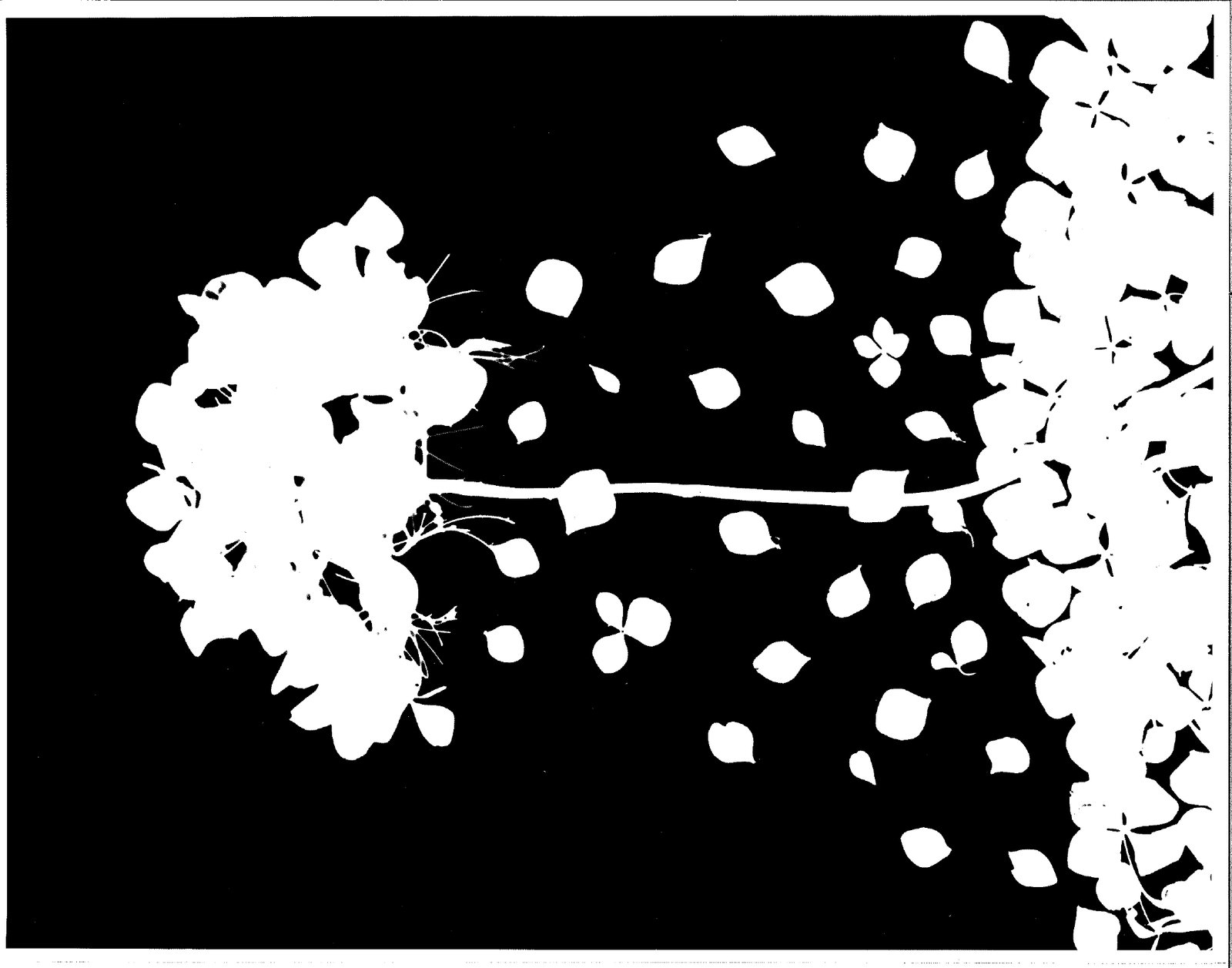
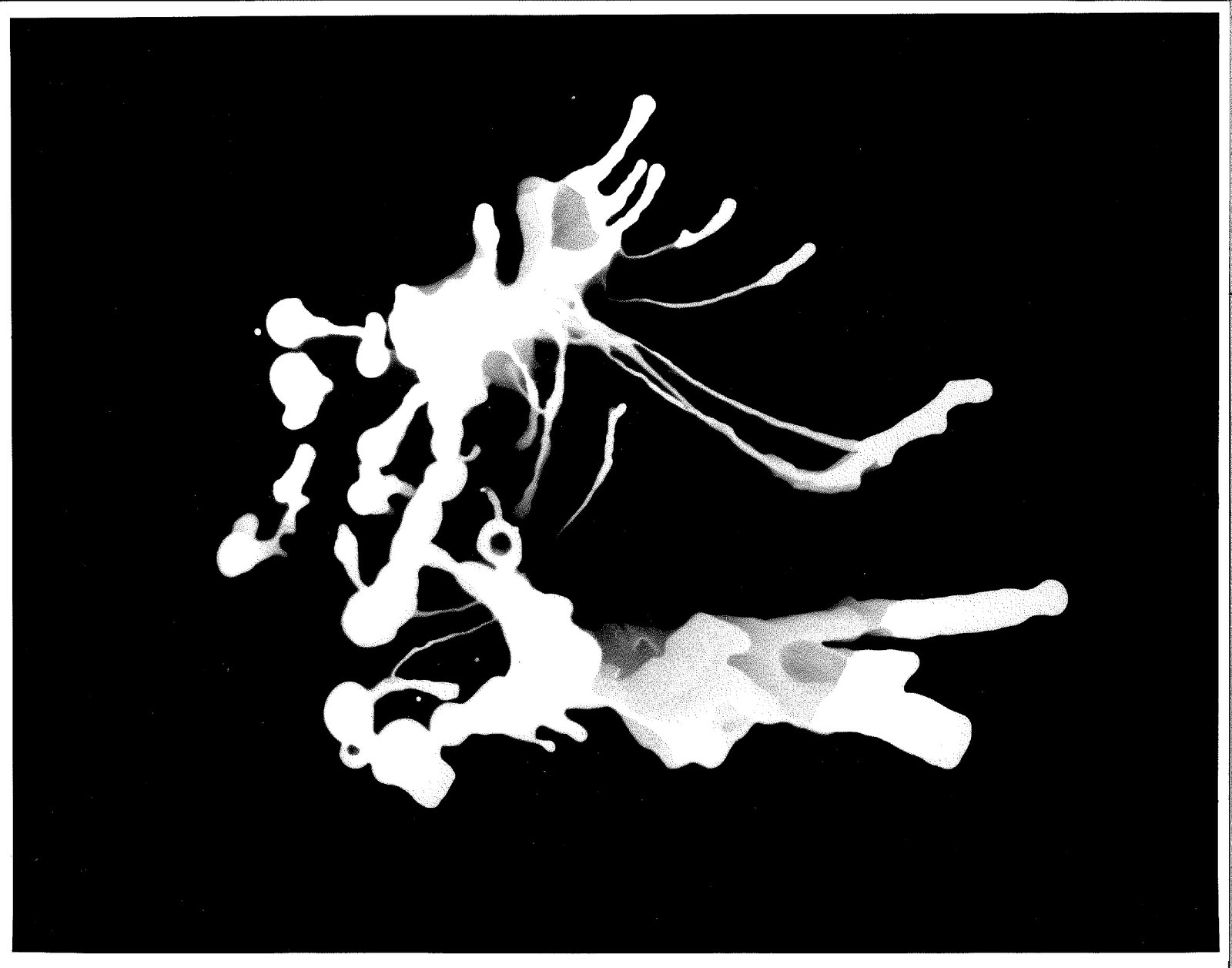
The photogram series takes a different approach entirely. Objects placed directly onto photographic paper are exposed to light and show great chemistry. No camera. No negative. Pure silhouette and shadow. Leaves, tools, and organic forms each become an elegant trace of its own shape.
Peter flawlessly shows his art. No layering. No compositing. Just film, paper, and light.
His Reverse-Reflex images have been described as homages to M.C. Escher, challenging viewers to see beyond the obvious.
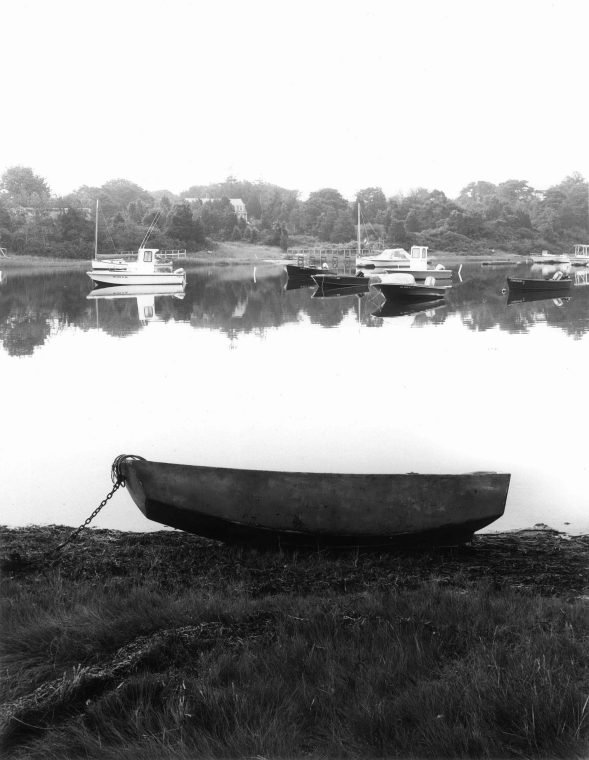
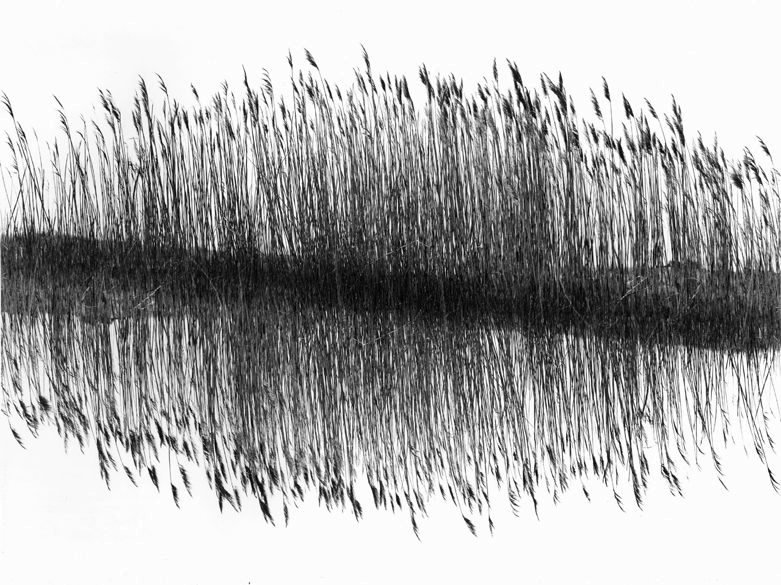
Black and White Photo Prints — Archival, Signed, and Collectible
Each print is an individual object, not a reproduction. These are collectible photography prints created using traditional silver gelatin processes on fiber-based paper. Dreyer exposes each print by hand beneath an enlarger, controlling every gradient and highlight.
The prints arrive matted, signed, and numbered. They are made to last properly washed, archivally stable, resistant to fading. This is the same process used by master printers for over a century. It produces images with depth, tonal richness, and a physical presence that digital prints cannot replicate. The darkroom is not a nostalgic choice; it is a functional workspace where exposure and contrast are controlled with exactitude.
The Artistic Precision of Monochrome Photography
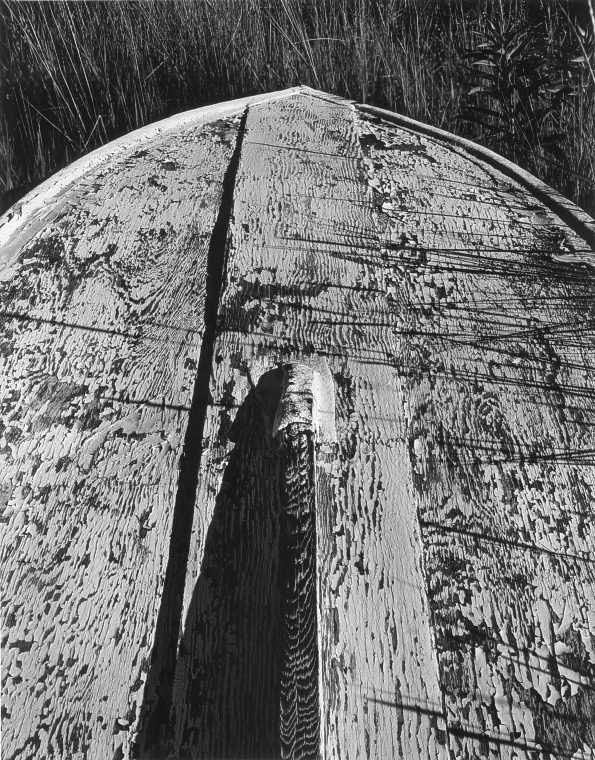
Monochrome photography depends on understanding light. Without color, every other element must carry weight. Texture becomes visible. Shadows define space. Composition cannot rely on hue.
The printing process involves subtle adjustments: dodging to preserve detail in darker areas, burning to deepen shadows or control highlights, careful paper selection, and optional toning to shift tonality or enhance archival stability. These are technical decisions with artistic consequences.
Darkroom black and white images are tangible in a way that screen-based files are not. They exist as physical objects, paper that absorbed light, emulsion that captured shadow, and chemistry that fixed the image in place.
A Practice Built on Intent
Every photograph in this collection was made with a purpose. Dreyer does not shoot volumes. He works slowly, considering what a scene offers before committing it to film.
The question is always: Does this frame justify its existence?
This is artistic black and white photography as a discipline, not a trend. It draws from a tradition that includes Ansel Adams, Edward Weston, and Paul Strand, photographers who understood that mastery comes from repetition, refinement, and respect for the medium.
Contemporary black and white art often leans toward conceptual abstraction or dramatic exaggeration. This work does neither. It values clarity, directness, and the belief that a well-observed scene requires no embellishment.
The goal is images that feel complete, resolved, balanced, and free from unnecessary flourish. They are meant to be looked at closely and repeatedly. Details emerge over time. The eye finds new paths through the frame. Patience is built into the process. Film cannot be reviewed instantly. The darkroom reveals what the camera captured only after development.
Where These Prints Belong
Black and white art photos fit naturally into spaces that value restraint. Modern interiors. Architectural offices. Lobby art in professional buildings. Private collections focused on fine craft.
Modern art often means bold color and conceptual disruption. But there is another strand: minimal, structural, and quietly sophisticated. That is where this work resides. It complements clean design. It does not compete for attention.
Collectors acquire these prints for their permanence. They are not trend-dependent. They do not require explanation. They simply exist as well-made objects that reward sustained attention. Designers place them in law firms, medical offices, private residences, and gallery spaces. They work in environments that require focus, not distraction.
Craft and Longevity
Each print is part of a limited edition. Numbered. Signed. Documented. This ensures provenance and protects the value of the work over time. Silver gelatin prints are inherently stable. When processed correctly, fully washed, and properly fixed, they outlast most other photographic media. Museums still display prints from the early 1900s that look as they did when first made.
Fiber-based paper holds more information than resin-coated alternatives. It produces deeper blacks, brighter highlights, and a surface that feels substantial. The difference is immediately tactile.
Collectors who value authenticity recognize the markers:
- Hand-printing
- Traditional chemistry
- Analog negatives.
These are not nostalgic choices. They are quality standards.
Dreyer’s work has been exhibited at the Granary Gallery, Louisa Gould Gallery, and in the Art in the Stacks series at Vineyard Haven and Edgartown libraries. His Freeze Frames series received particular attention for its intricate detail and scientific beauty.
Explore the Collection
Peter’s each series is presented in his portfolio, with context, how it was made, what it explores, and why certain decisions were made. His black and white photography prints are not mass-produced. They are made individually, by hand, in a darkroom.
For collectors, designers, and institutions that recognize the difference between a well-made print and a digital reproduction, his work offers true art, creativity, and consistency.
Contact and check the website to see what a true artist’s work looks like!
contact
Let’s Connect
For bookings, collaborations, or just to say hello — I’d love to hear from you