
Contemporary Photography
Minimalist Analog Contemporary Photography
Where tradition meets innovation. Where chemistry becomes vision.
Contemporary photography need not abandon historical processes to speak to present concerns. Peter Dreyer’s contemporary art photography demonstrates how analog methods remain vital and relevant. His work bridges eras, honoring darkroom traditions while addressing modern aesthetic sensibilities.
Minimalist compositions appeal to contemporary collectors. Silver-gelatin processes produce depth that digital files cannot replicate. Four decades of darkroom mastery inform every exposure and print. These works prove that the oldest photographic techniques can create the most compelling contemporary art.
Darkroom Photography as a Modern Medium
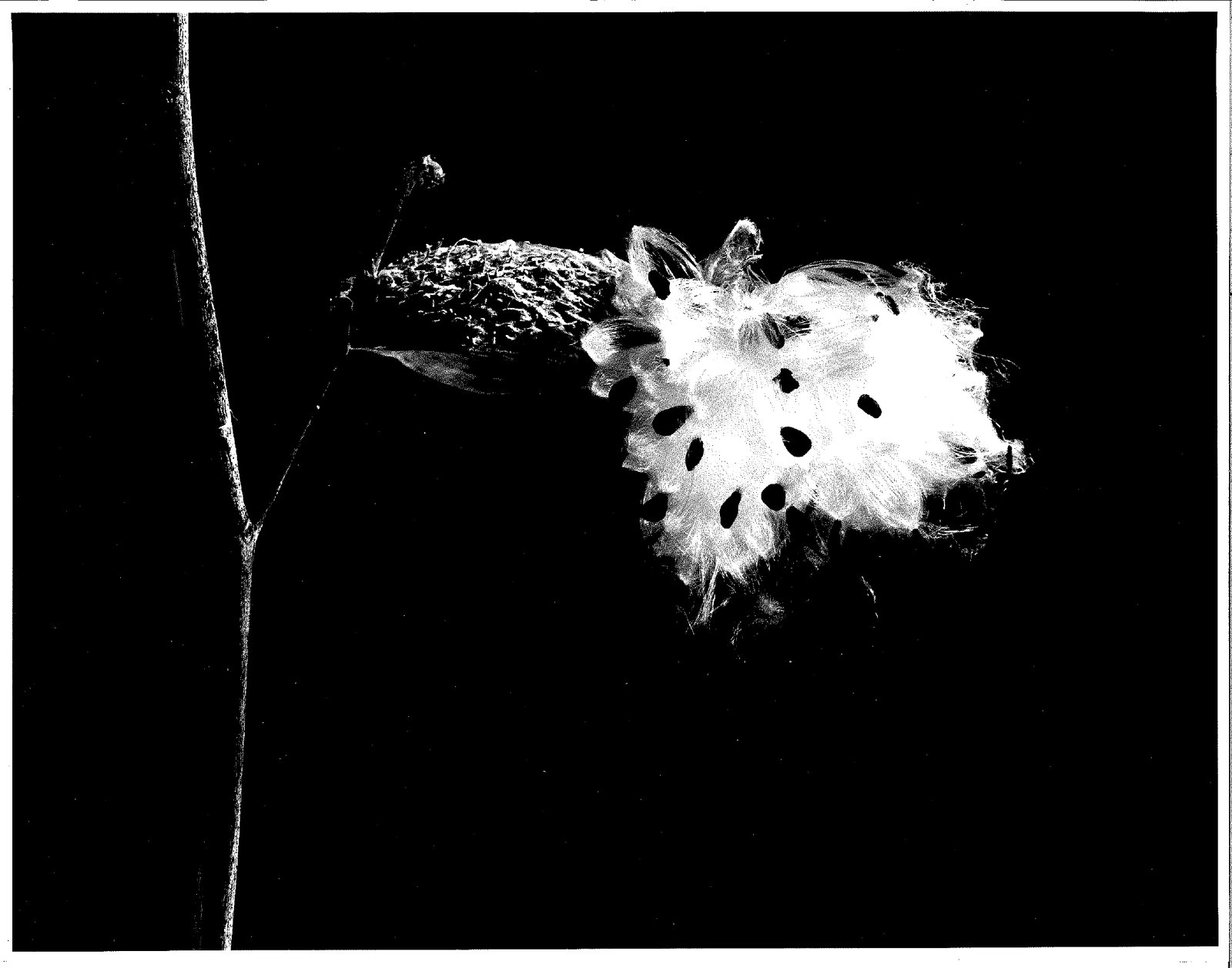
Darkroom photography offers qualities increasingly rare in digital practice. Unpredictability becomes a creative opportunity. Chemical reactions introduce subtle variations between prints. Hand-development allows real-time adjustments based on emerging images.
Peter Dreyer exploits these characteristics deliberately. His photography darkroom functions as both laboratory and studio. Trays of developer, stop bath, and fixer become tools of expression rather than mere processing steps.
Light from the enlarger is painted onto paper through dodging and burning techniques, that also shows the grainy structure, tonal gradations, and textural richness that exist in the paper itself.
The Role of Photography Darkroom Craftsmanship
Photography darkroom craftsmanship requires knowledge accumulated over lifetimes. Chemistry must be mixed precisely. Temperatures controlled within narrow ranges. Agitation patterns affect contrast and density. Timing determines whether highlights retain detail or blow out completely. Peter Dreyer has refined these variables through thousands of hours in his photography darkroom.
What appears simple, exposing paper to light, actually involves dozens of interconnected decisions. Each choice cascades into the next. The craft cannot be learned from manuals alone. It demands experimentation, failure, and gradual mastery. Collectors recognize this depth of practice in the finished prints.
Abstract Photography in the Analog Realm
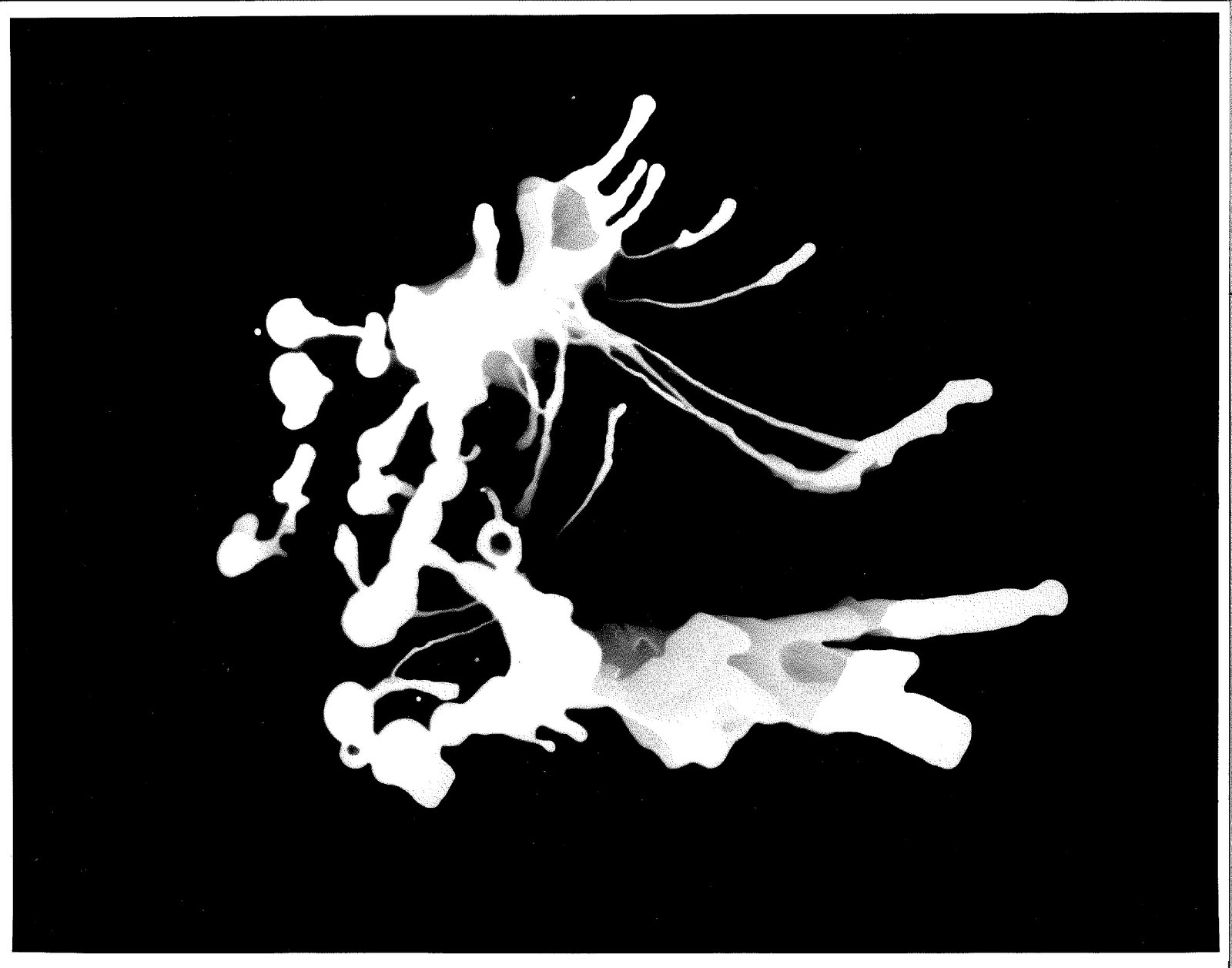
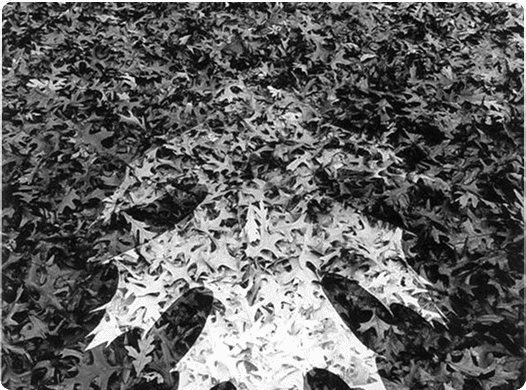
Abstract photography finds natural expression through analog processes. Intentional blur becomes emotional narrative. Grain structure adds texture to flat tones. Chemical experiments produce unexpected results.
Peter Dreyer embraces both control and chance. Some abstractions emerge from precise technique, multiple exposures layered with careful registration. Others arise from deliberate surrender, allowing materials to interact without complete prediction.
The work hovers between representation and pure form. Viewers recognize fragments of reality transformed into visual poetry. These images resist easy categorization, demanding engagement rather than quick consumption.
Wall Art Photography and Architectural Presence
Wall art photography must function within lived spaces. Images need sufficient visual interest to reward daily viewing without becoming exhausting. Peter Dreyer’s compositions achieve this balance through restraint. Minimalist arrangements provide focal points without overwhelming rooms.
Monochrome palettes integrate with diverse interior designs. Large prints demonstrate the resolving power of analog film. Detail remains crisp even at substantial scales. The physical presence of silver-gelatin prints adds luxury that reproductions cannot match. Collectors understand that original darkroom prints are fundamentally different objects than digitally produced images.
Collectible Photography in Silver-Gelatin Form
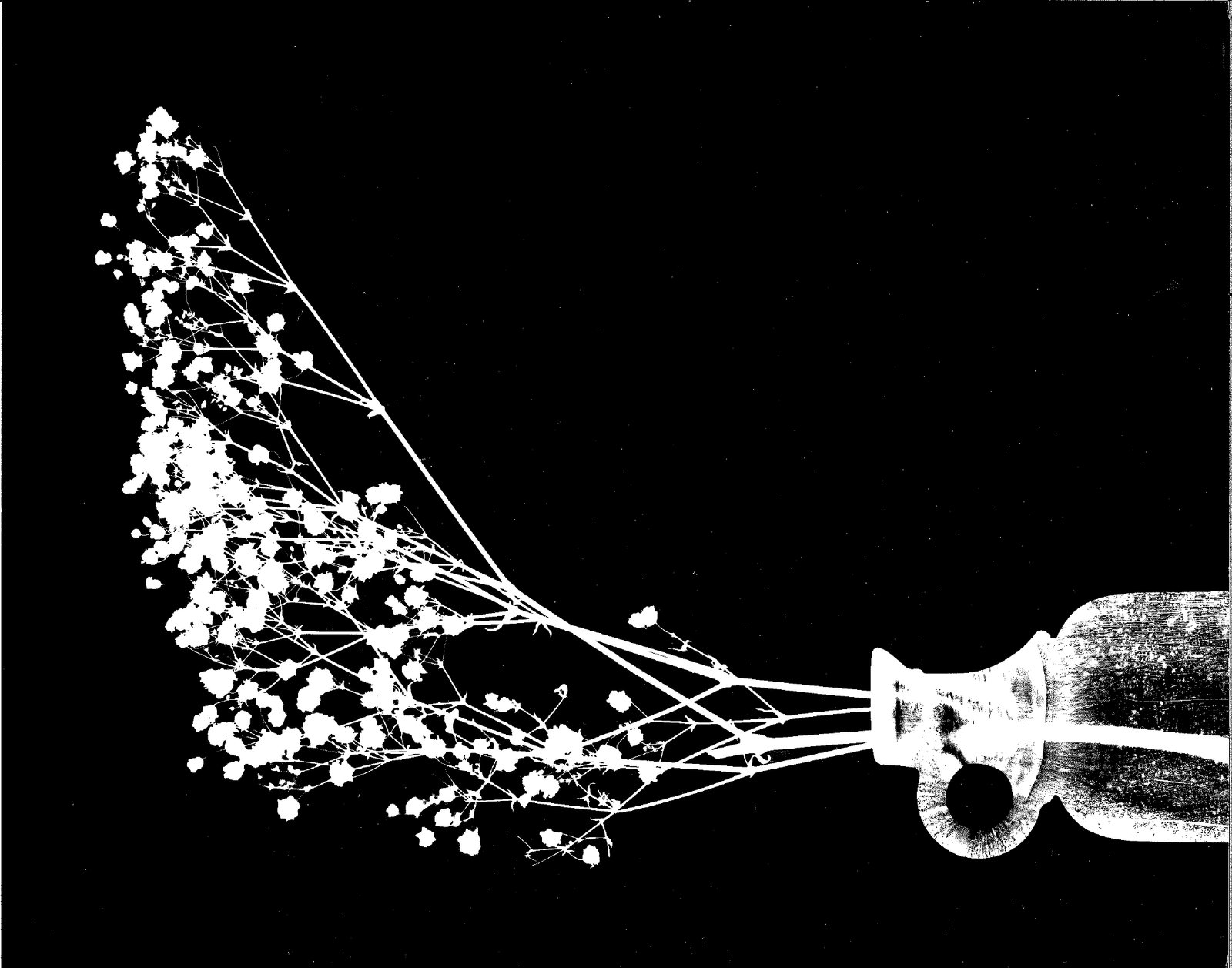
Collectible photography must offer both aesthetic merit and lasting value. Peter Dreyer’s work satisfies both criteria. Limited edition prints maintain exclusivity. Archival processing ensures physical permanence.
Each print represents hours of skilled labor, from initial exposure through final washing. The silver-gelatin process itself adds value through rarity. Fewer practitioners maintain traditional darkrooms each year. As digital methods dominate, analog originals become increasingly significant as cultural artifacts and investment-grade artworks.
Analog Photography and Its Emotional Depth
Analog photography produces a particular quality of image. Grain structure creates organic texture. Tonal transitions flow smoothly without digital banding. Shadows hold detail that sensors often crush to black.
Highlights glow with luminosity rather than clipping to pure white. Peter Dreyer’s printing technique maximizes these inherent qualities. His work demonstrates why serious collectors still seek analog originals. The medium matters. Chemistry and physics create results that algorithms cannot fully replicate.
Gallery-Quality Photography for Modern Collectors
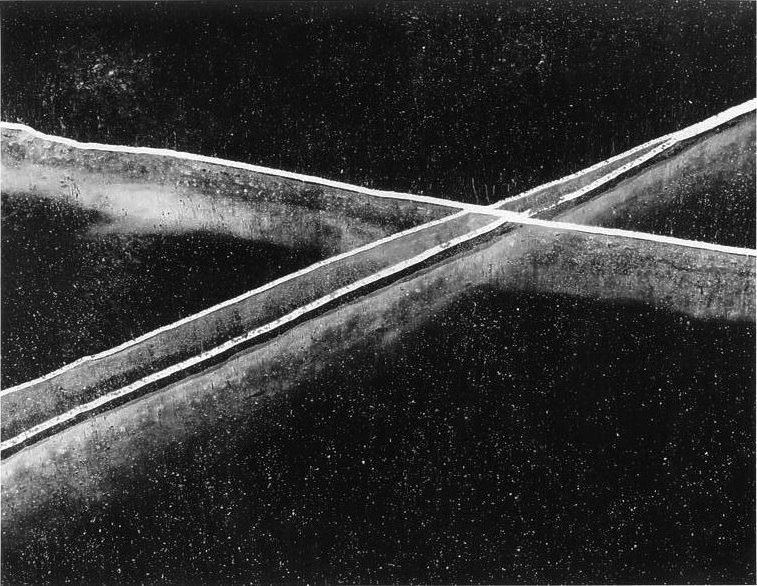
Gallery-quality photography meets rigorous standards for materials and execution. Peter Dreyer’s prints satisfy museum-level conservation requirements. Acid-free papers prevent deterioration. Proper washing removes residual chemicals.
Archival storage protects finished works. Each piece is signed, numbered, and documented. Collectors receive not just images but certified art objects suitable for institutional collections.
Contemporary Photography as Living Art
Peter Dreyer’s work proves that historical processes can address present concerns. His images speak to contemporary viewers without abandoning analog foundations. His darkroom photography becomes a space where past and present merge, where each print carries decades of accumulated knowledge into modern collections.
This work invites visitors to see the blend of technology, craft, and artistic value in an increasingly digital world.
FAQ's
How does contemporary photography benefit from analog techniques?
Contemporary photography gains depth, texture, and subtle tonal variations through analog methods that digital tools cannot fully replicate.
What role does darkroom photography play in contemporary art photography?
Darkroom photography allows artists to manipulate light, contrast, and composition manually, giving each contemporary art photography print a unique character.
Why is photography darkroom practice valued in the art market?
Photography darkroom prints are one-of-a-kind, archival, and handcrafted, making them highly collectible and sought after by galleries and collectors.
Can contemporary art photography be both modern and traditional?
Yes. By combining contemporary concepts with darkroom photography techniques, artists create works that honor historical processes while appealing to modern aesthetics.