Photogram/Photographs
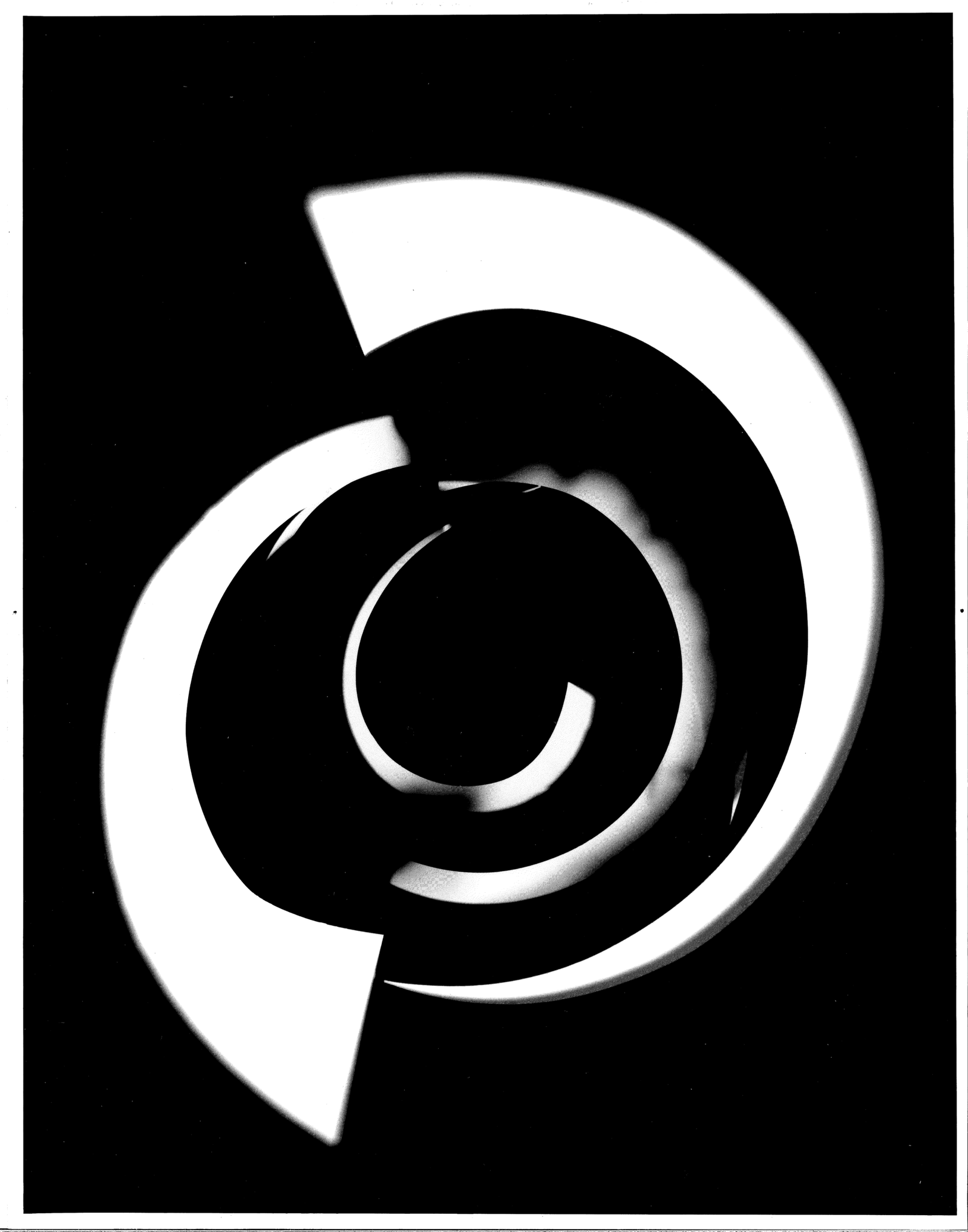
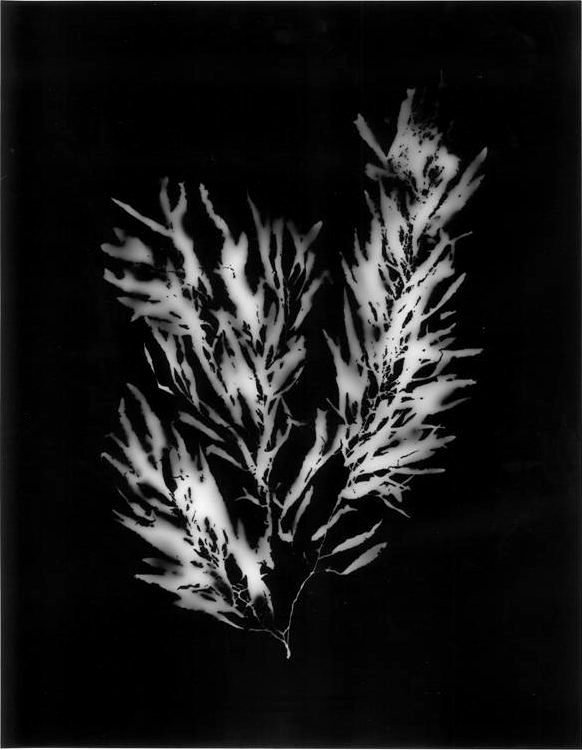
Photograms are created by placing objects on photographic paper and then exposing the paper. The image created is a silhouette of the object in white. Seaweed #1 (lower right) is an example. The size of the object placed on the photographic paper determines the size of the print. Therefore photograms are available in only one size: 11×14.
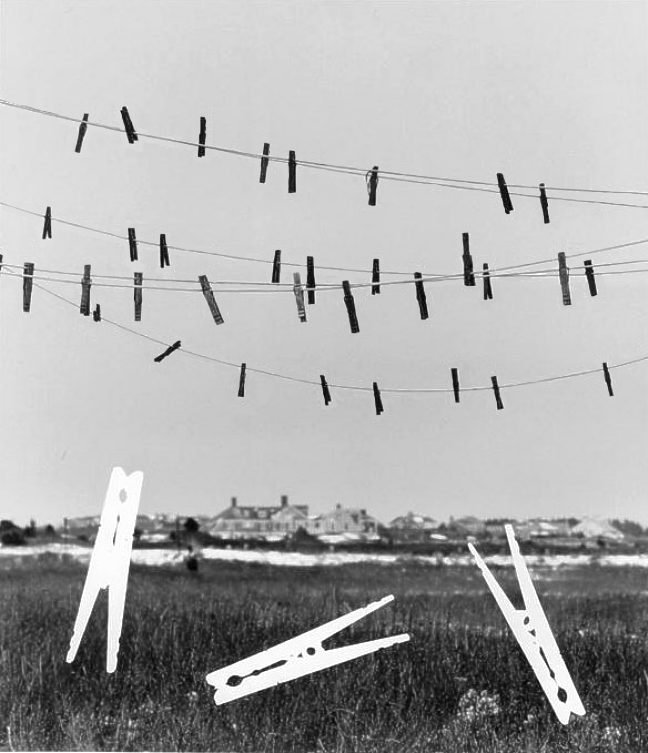
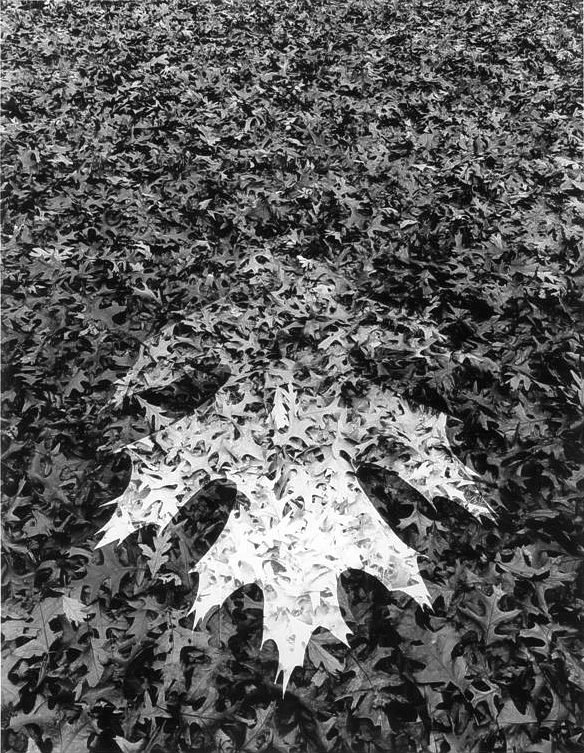
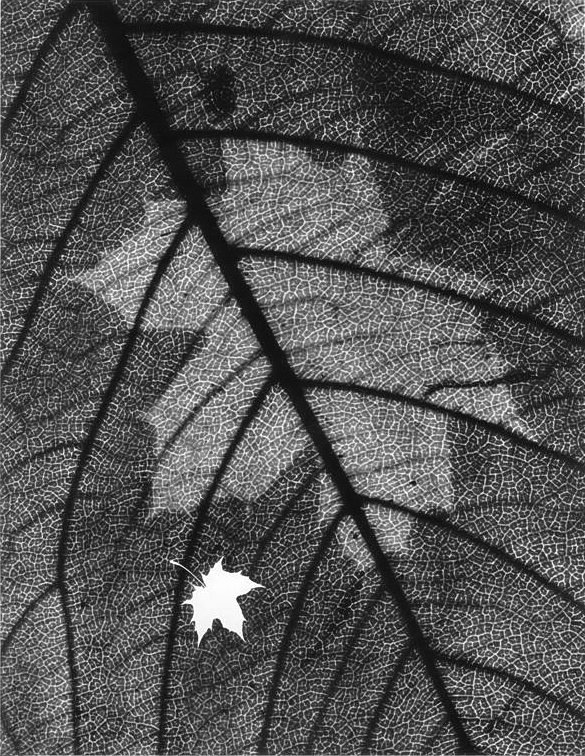
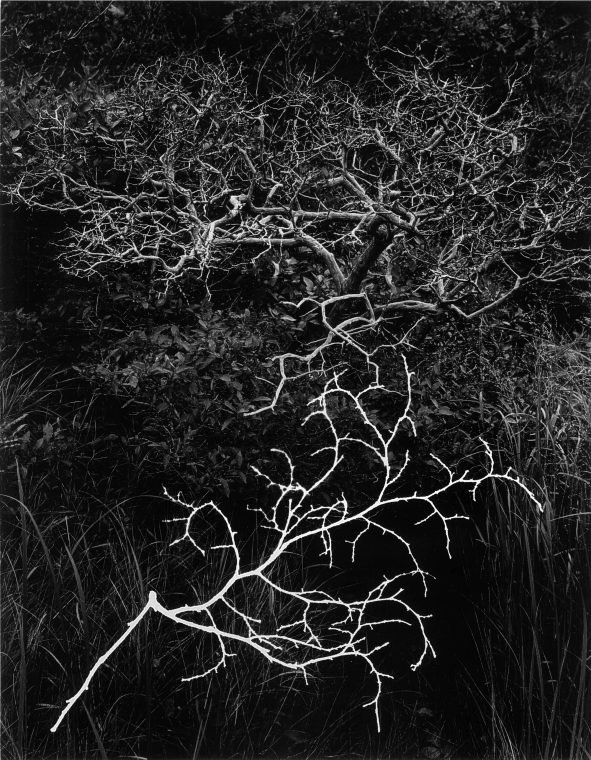
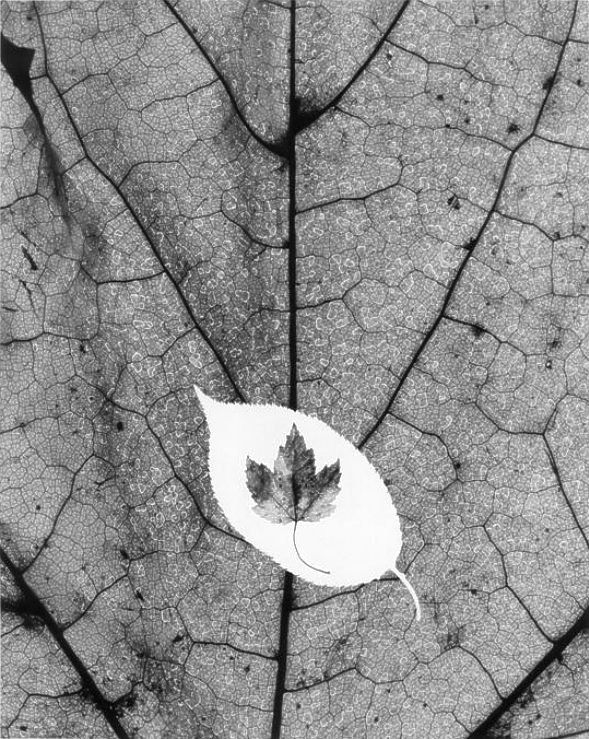
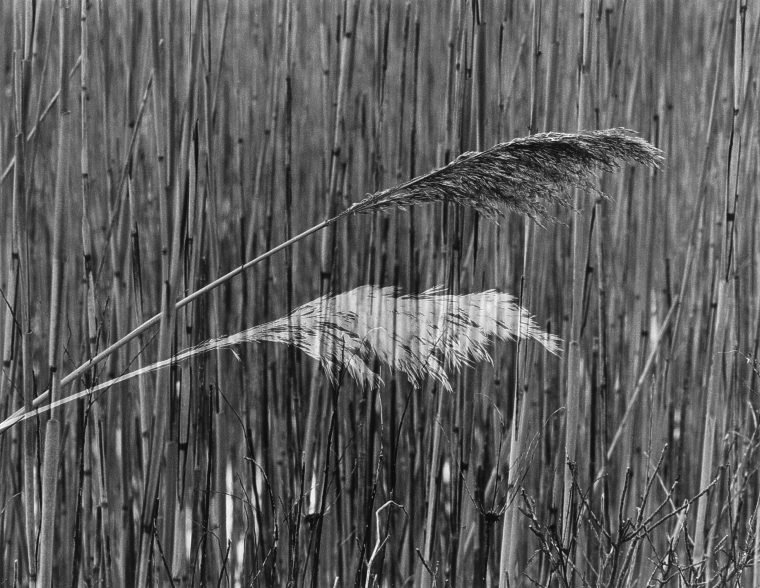
Photogram/Photographs are a combination of photograms and continuous-tone photographs. Each print is unique, depending on slight differences in placement of the object. Photogram/Photographs are available in only one size: 11×14.

Click a picture for a larger image
The Essence of Photogram Photography
Where light becomes sculpture, and shadow tells the story.
Peter Dreyer’s photogram photography represents one of the oldest and most direct forms of image-making. Each piece captures the interaction between object and light on light-sensitive paper prints, bypassing the camera entirely.
He has devoted over four decades to mastering this demanding medium. His black and white photogram photography explores the boundaries of form, texture, and luminosity.
Every print emerges from the darkroom as a singular artifact. The process requires precision and intuition to analog photographic process traditions.
Handcrafted Photogram Photography Artworks
The analog photographic process behind photogram photography dates to the earliest experiments in photography itself. The resulting images show a tactile quality that digital methods cannot replicate. His photograms are uniquely made:
- Objects rest directly on paper coated with silver emulsion.
- Light floods the darkroom for measured seconds.
- What remains is a ghost, a memory, a trace.
- Shadows deepen where matter blocks the exposure.
- Highlights glow where light touches paper unobstructed.
Craftsmanship Behind Silver-Gelatin Photograms
His silver-gelatin photograms are handmade. Each object is arranged with deliberate intention. Exposure times are calculated through experience, not algorithms. Development occurs in chemical baths mixed to archival standards.
The artist controls every variable. Temperature, agitation, and timing all influence the final image. These prints carry the physical evidence of their creation. Tonal gradations shift from pure black to luminous white. The paper itself becomes part of the artwork’s material history.
Contemporary Photogram Art and Its Visual Language
Contemporary photogram art reinterprets classical techniques for modern eyes. Compositions balance abstraction with recognizable form. Movement is suggested through overlapping exposures. Contrast becomes a language of emotion.
Peter Dreyer’s work demonstrates how this historical medium can speak to present-day concerns. His arrangements of organic materials create rhythms that feel both ancient and immediate. Each image invites prolonged viewing. Details reveal themselves slowly, rewarding attention with visual discovery.
Light-Sensitive Paper Prints as Authentic Art Objects
Light-sensitive paper prints exist as unique objects; No negative or physical file can reproduce them exactly. The interaction between light and paper happens only once. This unrepeatable quality makes each photogram collectible in the truest sense.
Gallery-quality presentation preserves these works for generations. Archival processing ensures permanence. Collectors acquire not just an image, but a moment of creation frozen in silver and paper.
The Narrative Behind Each Photogram
Photogram photography transforms ordinary materials into visual poetry. Feathers, flowers, glass, and fabric become subjects of meditation. Light renders them strange and beautiful. Peter Dreyer’s decades in the darkroom have refined his ability to see potential in shadow.
Take a moment, slow down and discover the story within Peter’s work!