
What Makes Feathered Photography Unique as Wall Art
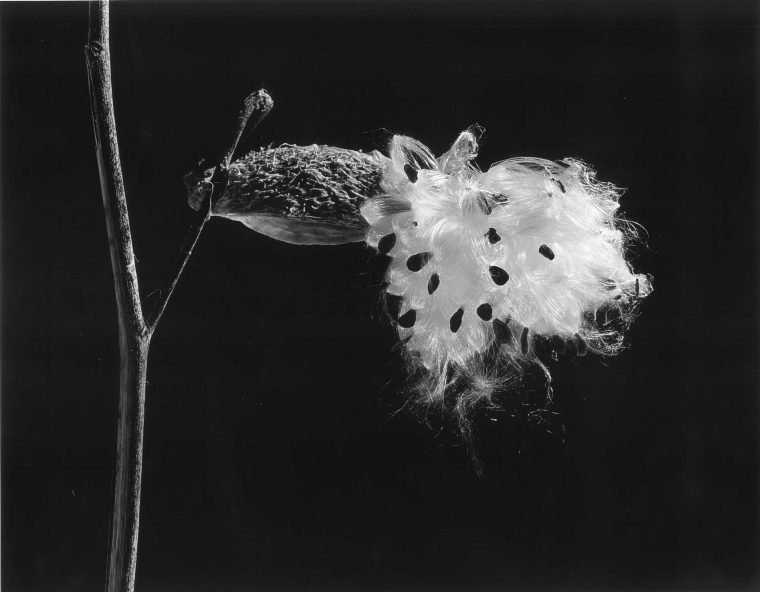
Feathers are often overlooked because they feel familiar. Feathered photography changes that perception. The work isolates form and texture until the subject becomes abstract. These images are not about birds.
They are about structure, rhythm, and fragility. When placed on a wall, they hold quiet authority. Viewers lean in. They slow down. The simplicity is deceptive. Every line carries intention.
Black and white feather photography that reveals structure
Without color taking attention, every structural detail becomes visible and significant. Black and white feather photography shows the architectural complexity that’s easy to miss when looking at actual feathers.
Shafts, barbs, and the precise spacing between them all gain prominence through careful lighting and contrast. What initially seems like a simple organic form reveals itself as an engineering marvel under sustained observation.
That transformation from familiar to fascinating is what makes these images effective as wall art that doesn’t bore viewers over time.
Why feather photography feels sculptural
Light defines volume and weight in these prints even though they’re two-dimensional images. Shadows suggest movement that was frozen at a specific moment, while highlights trace the edges of forms in space.
Feather photography from the collection carries a dimensional quality that makes the prints feel substantial rather than flat. The images project presence on the wall without needing bright colors or a large scale to command attention. That sculptural quality comes from understanding how light interacts with delicate organic structures.
Texture as the emotional hook
Feathers trigger tactile memory before intellectual response because everyone has touched or seen feathers up close. Black and white amplifies that sensory connection by removing color distraction and focusing entirely on surface quality.
Viewers automatically imagine the softness of the barbs or the rigidity of the central shaft. That instinctive engagement creates an emotional response that doesn’t require art knowledge or visual literacy.
The accessibility makes feathered photography work in both residential and professional spaces where audiences vary widely.
Printing choices that preserve delicacy
Paper selection directly affects whether these images maintain their subtle qualities or lose them to harsh reproduction. Fine-grain paper holds the gentle gradations between light and dark without flattening the mid-tones into gray mush.
The printing process at my gallery, Dreyer Photos, keeps blacks rich and dense while allowing whites to breathe and maintain texture. That tonal range is what preserves the delicate feeling of the subject while still giving the print enough visual strength to hold a wall effectively.
Why these images work in refined spaces
They bring sophistication without pretension or rigid aesthetic requirements. Feathered photography adapts to minimalist interiors where restraint matters and to more layered spaces where it needs to coexist with other elements.
The work doesn’t demand that everything else in the room conform to one specific style. That versatility makes these prints valuable for collectors who want flexibility as their spaces evolve or who place art in multiple locations with different design approaches.
Conclusion
Feathered photography works as wall art because it rewards attention rather than competing for it. By focusing on structure, texture, and light, these images turn a familiar subject into something quietly compelling.
The absence of color allows form to carry the visual weight, while careful printing preserves the delicacy that gives the work its emotional pull.
Over time, the images continue to reveal subtle details instead of exhausting their impact. That combination of restraint, craftsmanship, and lasting engagement is what allows feather photography to hold its place as enduring fine art rather than temporary decoration.
FAQs
What is feather photography, and why is it popular in fine art?
Feather photography focuses on the delicate structure of feathers rather than the bird itself. Artists are drawn to their symbolism, fragility, and intricate design. It feels intimate and meditative.
How does texture play a role in feather photography?
Texture is everything. Barbs, shafts, and subtle imperfections give feathers their character. Black and white enhances these details, making the image feel almost touchable.
What printing techniques are best for black and white feather images?
High-quality pigment printing on cotton rag or baryta paper works best. These papers hold fine detail and deep blacks without flattening the image.
What makes a feathered photography print museum-quality?
Archival materials, controlled contrast, precise printing, and limited editions. Museum-quality prints are made to last decades without fading or yellowing.