
Why Contemporary Art Photography Matters in Today’s Art World
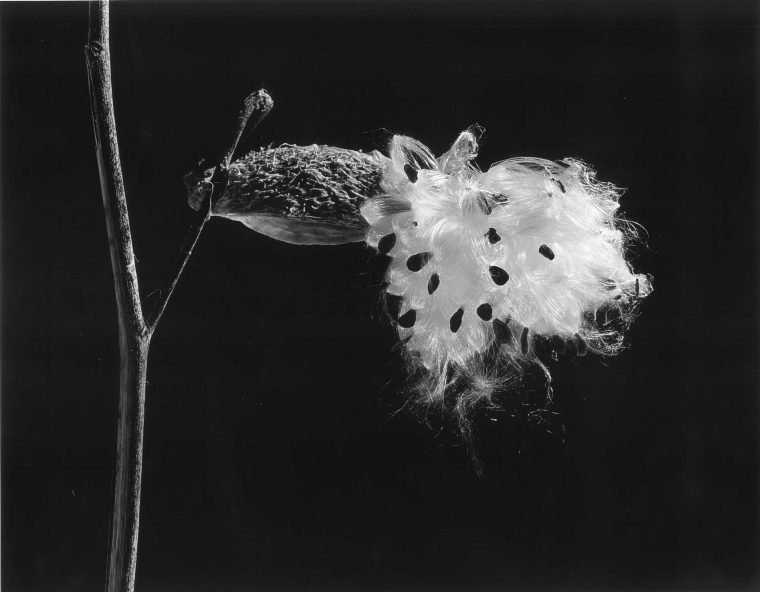
The art world values work that reflects how people see and feel now. Contemporary art photography does that without needing spectacle. The work fits this space naturally. These images are rooted in tradition but shaped by curiosity.
They question perception, process, and material. Contemporary photography is not about novelty. It is about relevance. The photographs remain relevant because they invite thought rather than demand attention.
Contemporary art, portrait photography, and the human trace
Human presence registers in these images even without showing actual faces or figures.
Contemporary art portrait photography suggests the human gaze and experience through how objects, spaces, and structures are observed and framed. Traces of human interaction appear in the subjects chosen and the way they’re lit and composed.
That suggestion creates a connection without resorting to sentimentality or obvious emotional manipulation. Viewers sense presence rather than seeing it directly, which makes the experience more about shared perception than about looking at someone else.
Why contemporary photography values process
How an image comes into existence matters as much as what that image finally shows. Contemporary photography fully embraces this principle by making the process visible and integral to meaning.
The darkroom alterations aren’t corrections of mistakes but deliberate extensions of the artistic statement. The process becomes part of what viewers engage with when they look at the final print. That transparency matters to contemporary collectors who want to understand the full context of how work was created rather than just consuming a finished product.
Darkroom work in a digital world
Craft signals genuine intention in an era when most photography happens instantly and digitally. Darkroom work requires different commitments of time, skill, and physical resources than clicking and filtering.
The continued use of traditional analog methods at Dreyer Photos isn’t about nostalgia for outdated techniques.
It’s a deliberate choice about material authenticity and the kind of qualities that only physical processes can create. Contemporary photography values that choice because it separates serious artistic practice from casual image-making.
Collectors and conceptual depth
Ideas and intellectual engagement matter as much as visual appeal to contemporary art collectors.
Pretty pictures without substance don’t satisfy collectors who want work that rewards repeated viewing and thinking. These images offer both immediate visual strength and layered conceptual content that reveals itself over time.
They explore fundamental questions about perception, reflection, absence, and how materials affect meaning. That multi-layered approach satisfies collectors who want more than decoration or investment pieces.
Why this work holds long-term value
The work doesn’t chase current trends or try to look like what’s popular in galleries right now. Contemporary photography that maintains value over decades focuses on fundamental questions about seeing and representing rather than stylistic movements.
The images consistently ask those core questions through different subjects and approaches. That focus ensures continued relevance beyond whatever’s currently fashionable because the questions themselves don’t become dated. Collectors invest in work that will still matter and provoke thought twenty years from now.
Conclusion
Contemporary art photography matters because it asks viewers to slow down and engage rather than consume. It rewards attention, curiosity, and repeat viewing. This work remains relevant not by following trends, but by staying rooted in fundamental questions about perception, material, and intent.
By combining traditional processes with an exploratory mindset, these photographs occupy a space where craft and concept meet. In an image-saturated world, that kind of restraint becomes its own statement. The value lies not in novelty, but in work that continues to hold meaning long after the first encounter.
FAQs
What is contemporary photography?
Contemporary photography is less about style and more about intent. It reflects current ideas, questions, and cultural moments. It can be documentary, abstract, conceptual, or experimental.
Do contemporary art photographers still use film and darkrooms?
Yes. Many do. Some use film for its tonal depth and physical process. Others mix film and digital. The choice is artistic, not nostalgic.
How do collectors evaluate contemporary photography prints?
They look at edition size, print quality, artist reputation, exhibition history, and conceptual depth. A strong idea matters just as much as technical excellence.
Is darkroom photography considered more authentic than digital?
Not necessarily. Authenticity comes from intention and craftsmanship, not the tool. Darkroom and digital processes both produce meaningful, collectible work when done thoughtfully.