
Why Photogram Photography Works as Fine Art Wall Décor
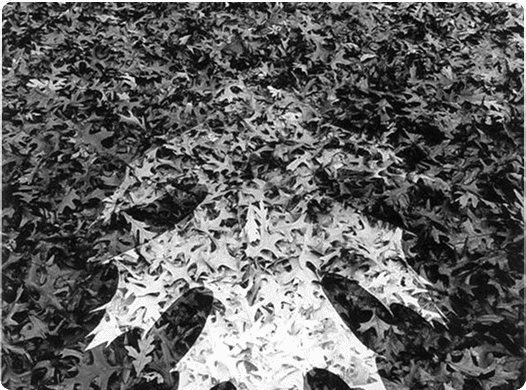
Some artworks feel alive because they are made, not captured. Photogram photography belongs to that category.
There is no camera. No lens. Just objects —light, and paper.
These photograms are physical records of contact and absence. They do not depict an object. They trace its presence. For viewers tired of literal imagery, photograms offer something quieter and more tactile. They fit walls not because they decorate them, but because they engage them.
Black and white photogram photography that feels handmade
Each piece carries subtle variations that make duplication impossible. Black and white photogram photography preserves all the evidence of how objects were placed and how long the exposure lasted. Small shifts in timing create different tonal results while slightly different positioning leaves unique traces on the paper.
That inherent variation adds value because collectors know they’re acquiring an individual record of a specific moment rather than one print among thousands. The handmade quality isn’t about being rustic but about being singular in ways that mechanical reproduction can never achieve.
What is a photogram in photography, and why does it feel intimate
A photogram gets created by placing objects directly onto light-sensitive paper and then exposing that arrangement to light.
What is a photogram in photography if not the most direct possible contact between subject and final image?
There’s no lens creating distance and no camera creating separation between what’s photographed and what gets printed.
That immediacy creates an intimacy that regular photography can’t match because the object actually touched the surface that viewers now see. The result feels more like a fossil or an imprint than a photograph in the traditional sense.
Why simplicity carries visual weight
Photogram photography doesn’t overload the eye with competing details or complex narratives. Shape and balance become the primary language when there’s no clutter to process. Walls feel calmer when the art doesn’t constantly demand active interpretation or emotional response.
The viewer’s attention can rest on form and tonal relationships without bouncing around searching for meaning or context. That quality makes these works particularly effective in living spaces where people need visual peace rather than constant stimulation.
Darkroom craftsmanship as value
These works can’t be convincingly mass-produced because the process requires physical materials and hands-on manipulation. Each photogram at the gallery carries tonal qualities that come from how silver gelatin responds to light in real time.
Digital printing can’t replicate the depth in the blacks or the texture in the whites that analog processes create. Collectors value this authenticity not out of nostalgia but because they’re acquiring work that required genuine skill, time investment, and physical presence during creation.
Why photograms belong in living spaces
The work settles into rooms without dominating them or demanding specific lighting conditions. Photogram photography integrates naturally into various aesthetics because the simplicity allows other design elements to exist without visual conflict.
They function equally well in bedrooms where calm matters, offices where focus matters, and living areas where flexibility matters. The prints don’t lock a space into one particular style or require constant curation around them.
Conclusion
Photogram photography works as fine art wall décor because it asks viewers to engage rather than consume. By removing the camera, the process becomes direct and physical, allowing light and material to define the image.
These prints reward close attention and repeated viewing, revealing subtle relationships between form, shadow, and surface over time.
On the wall, they offer presence without visual noise and depth without excess. That balance between simplicity and substance is what allows photograms to function not just as decoration, but as enduring works of art that remain relevant long after the first encounter.
FAQs
What types of objects work best for photogram photography?
Objects with interesting shapes or varying transparency work beautifully. Leaves, feathers, fabric, wire, glass, and everyday items with texture. The object’s silhouette matters more than its identity.
Why do collectors prefer black and white photogram photography?
Collectors appreciate its connection to early photographic history and its hands-on process. Each photogram is often unique or produced in very small editions. Black and white reinforces that sense of craft.
Are black and white photogram prints suitable for gallery exhibitions?
Absolutely. Many galleries value photograms for their experimental nature and tactile quality. When printed properly, they hold their own alongside traditional photography and conceptual work.
Why is black and white commonly used in photogram photography?
Because photograms are about light and shadow. Black and white keeps the focus on form rather than surface detail. It feels honest to the process, which is physical and direct.