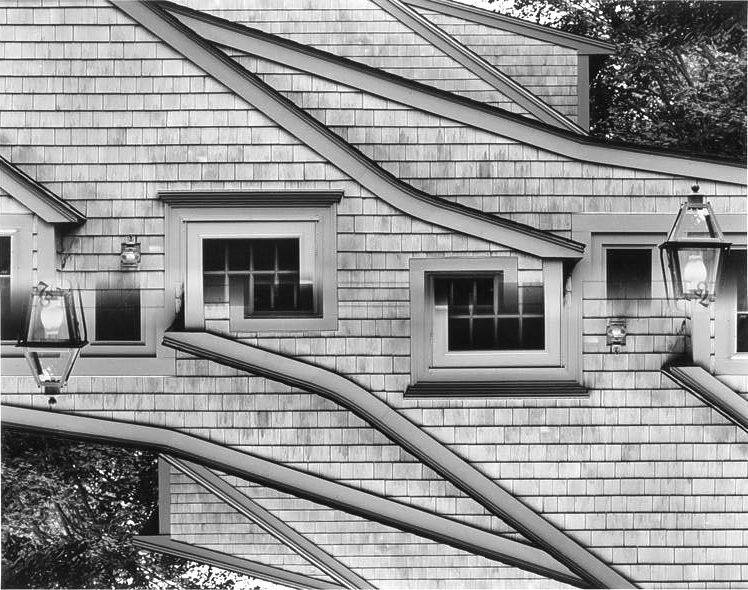
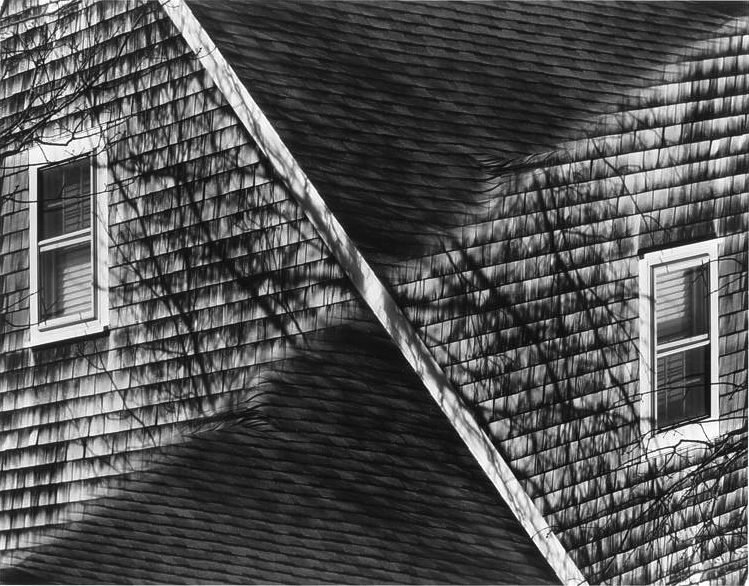
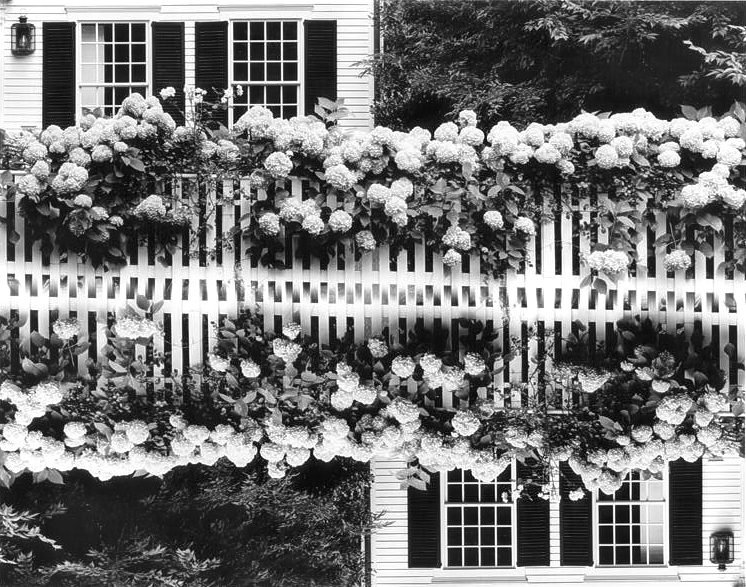
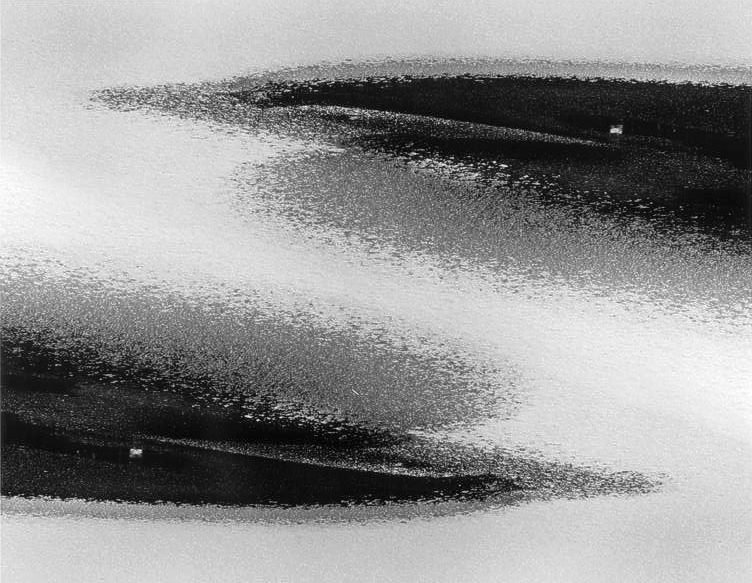
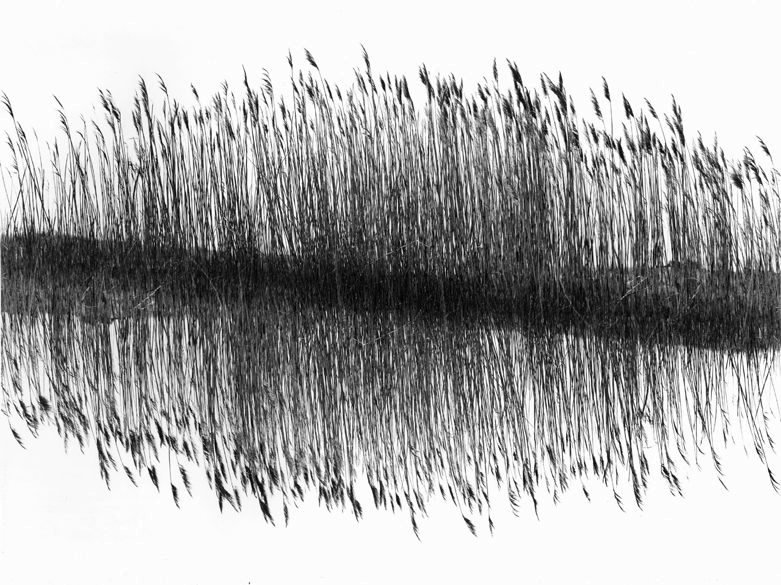
Reverse-Reflex Photography
Light remembers what the eye forgets.
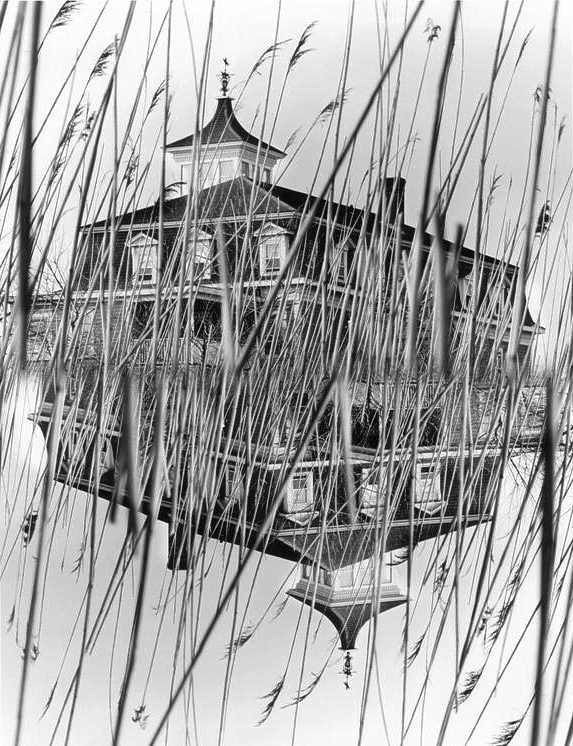
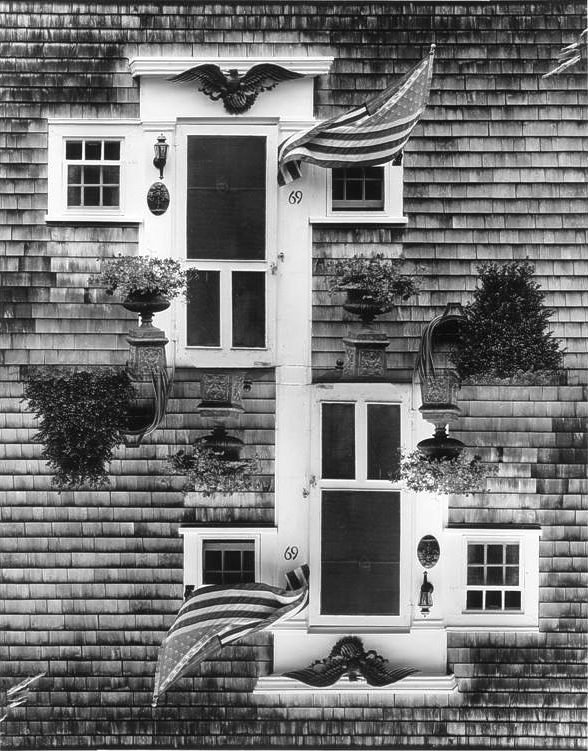
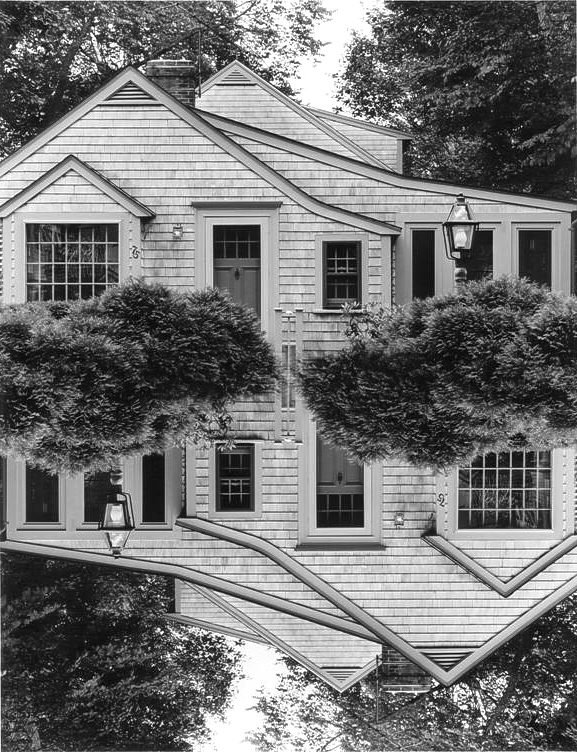
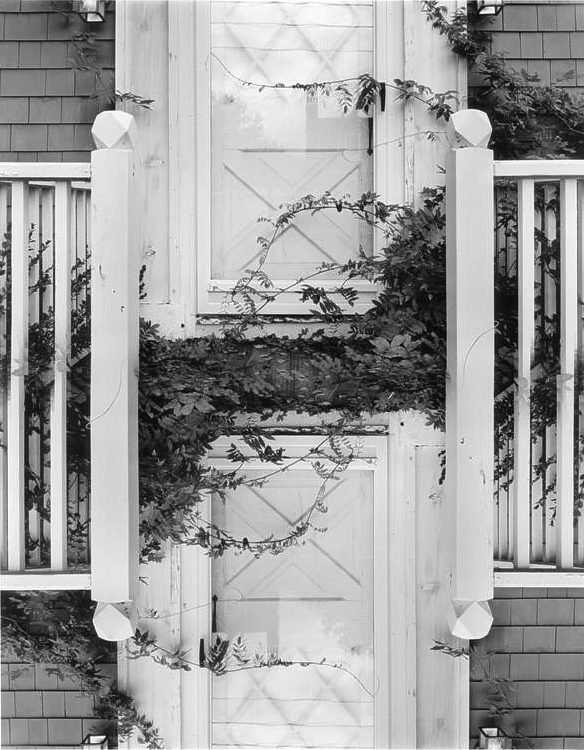
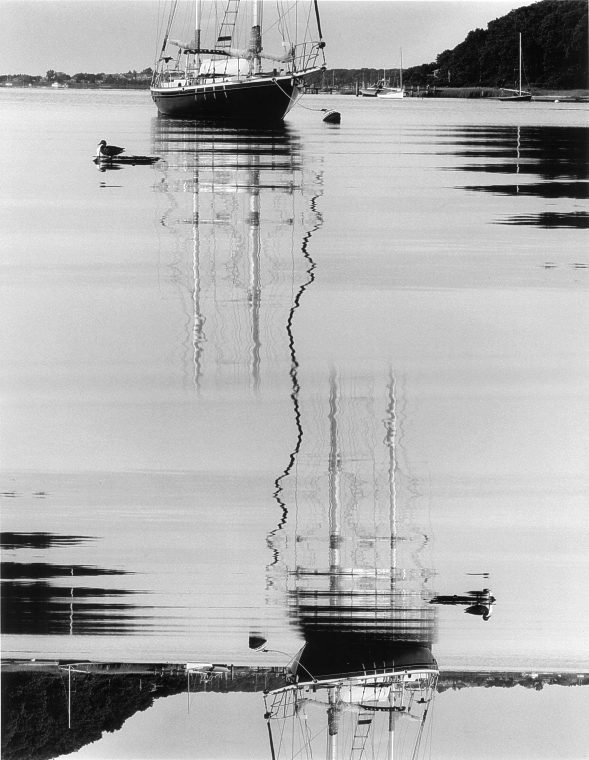
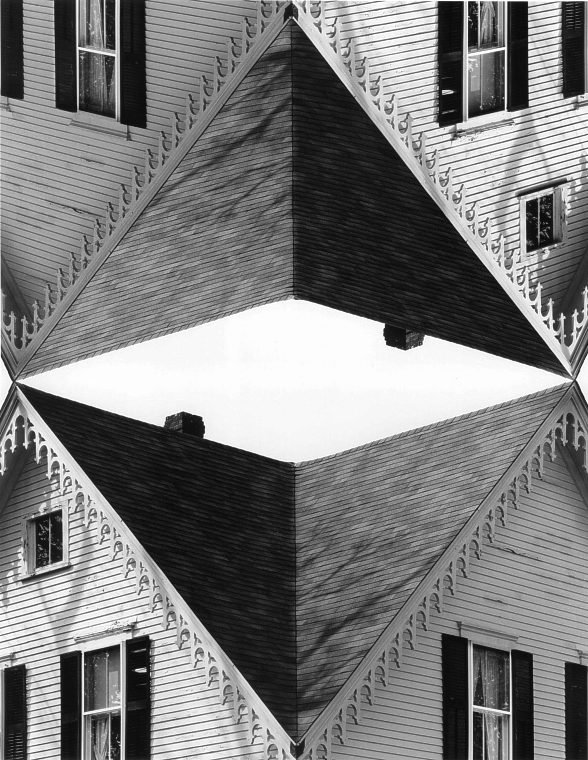
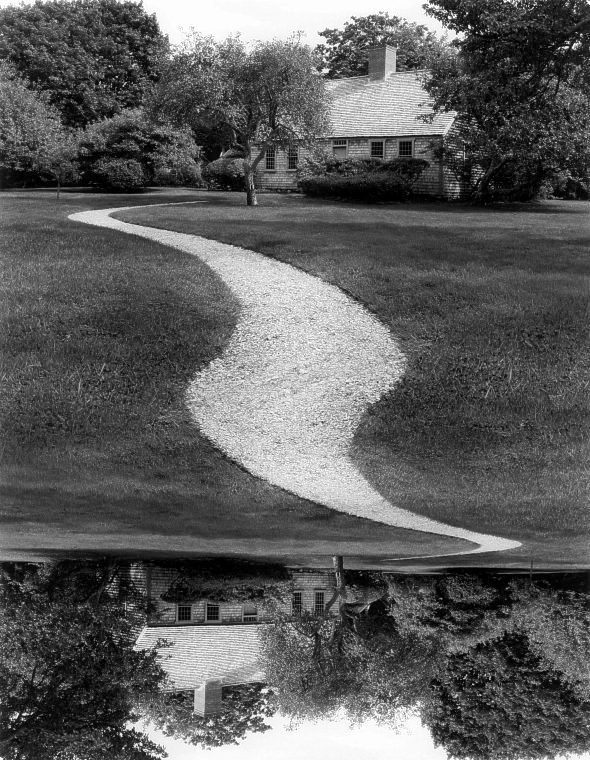
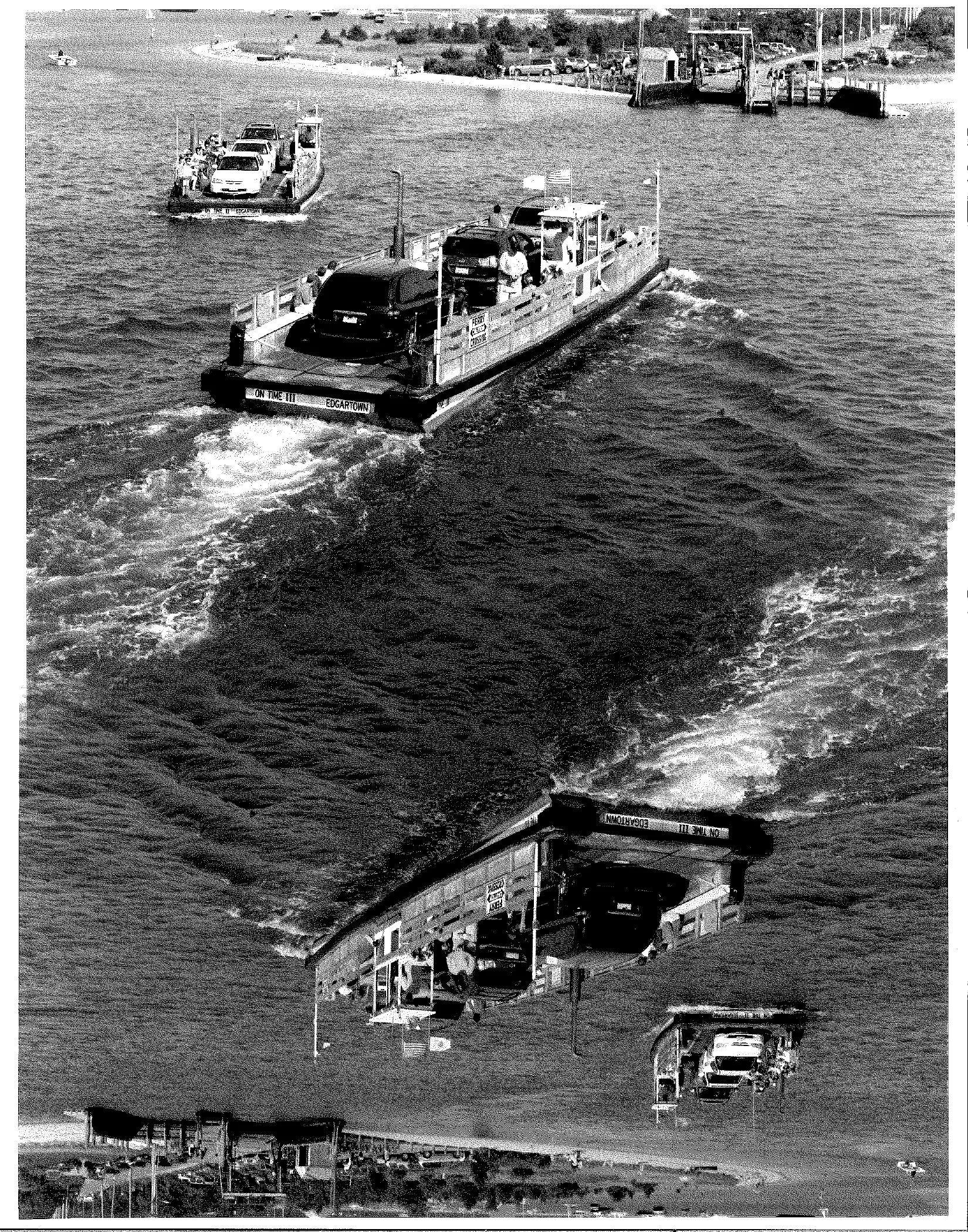
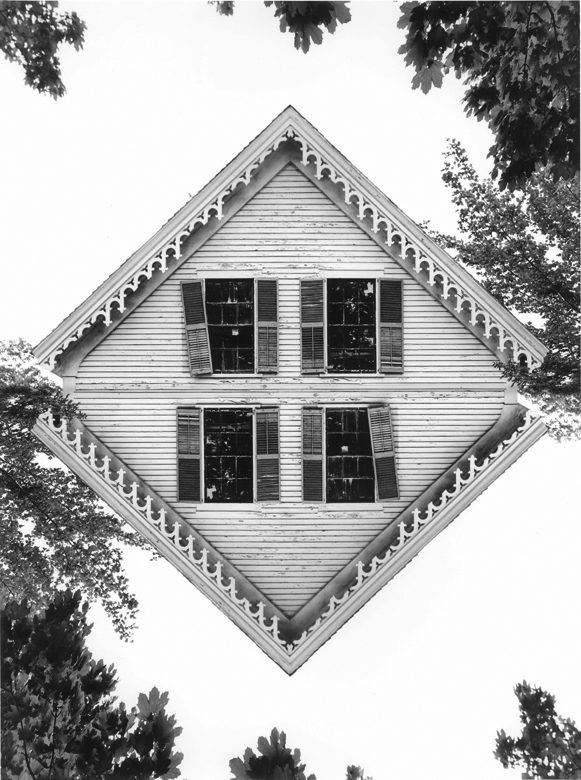
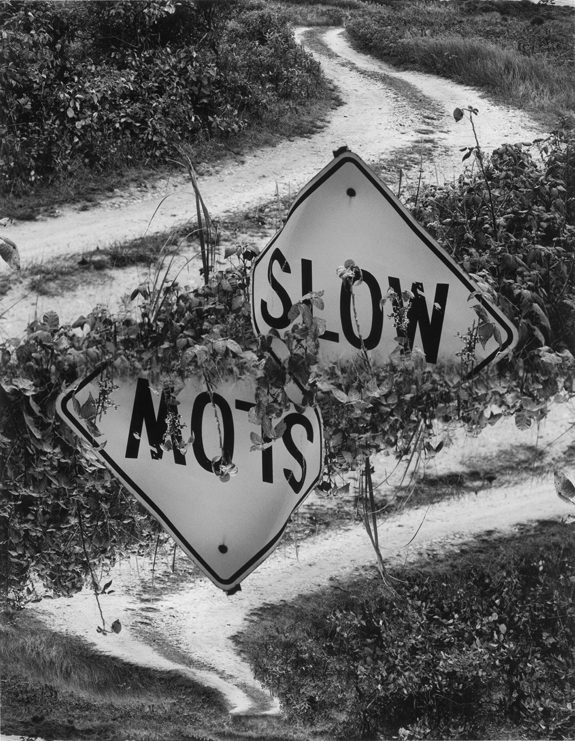
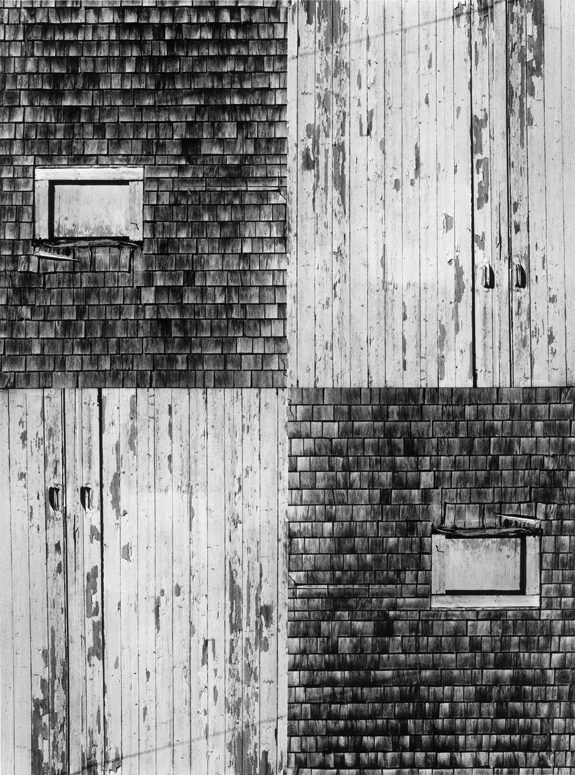
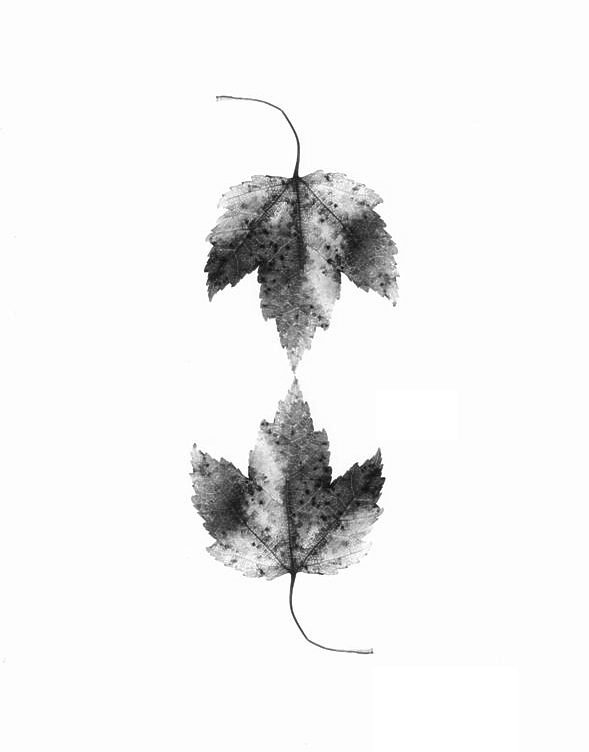
Peter Dreyer has spent over four decades perfecting the language of analog light. His reverse-reflex photographs capture moments suspended between clarity and mystery, where mirrored surfaces fracture reality into something entirely new.
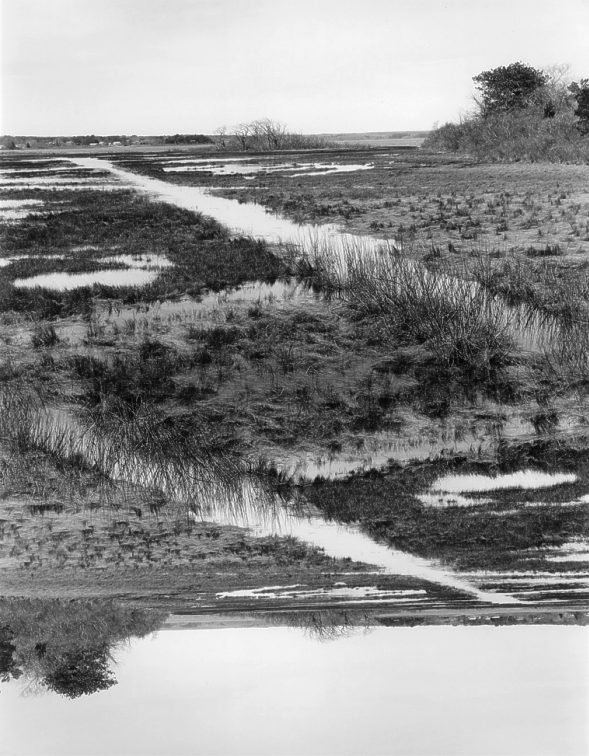
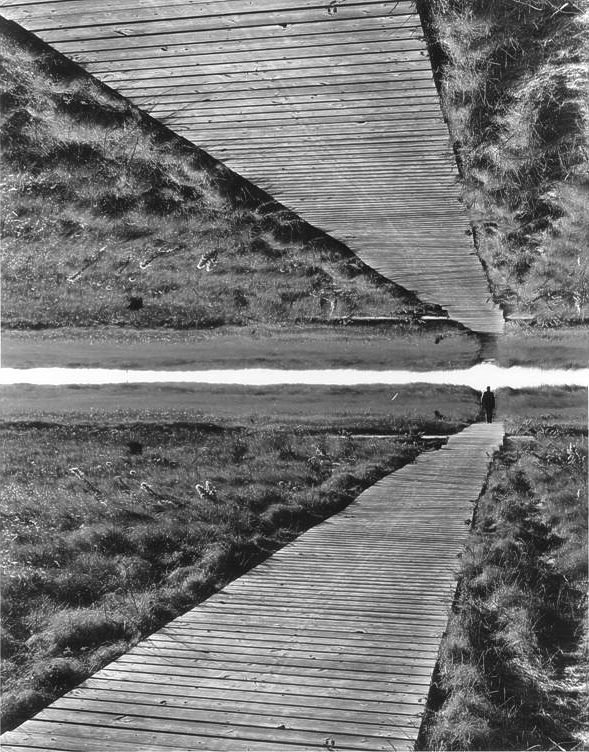
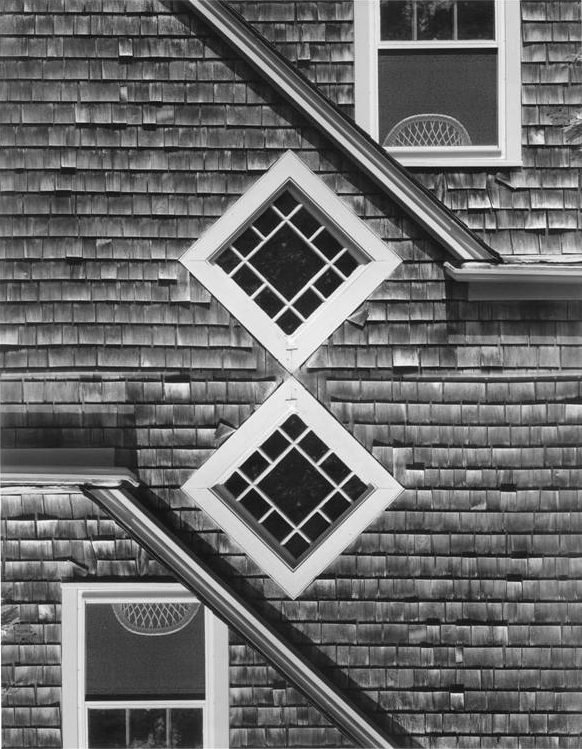
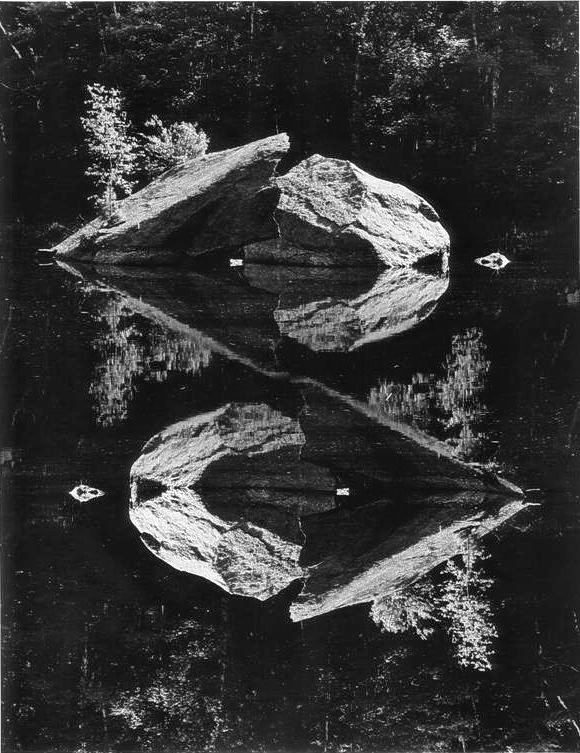
Each image emerges from a controlled distortion. A deliberate conversation between reflection and shadow. Which is clearly not a simple photograph, what we usually see.
His reverse-reflex photography redefines how we see movement, stillness, and the space between.
Click a picture for a larger image
Reflex Photography: Where Light Bends Into Art
Reverse-reflex photographs live in the tension between what is shown and what is suggested. Dreyer positions reflective surfaces to bend light into unexpected forms.
The result is a visual language built on subtlety and precision. Grain becomes texture. Shadows carve out structure. Soft gradations of gray hold entire narratives within their tonal range.
This is not digital manipulation. It is pure analog capture, shaped by intention, exposed on film, and developed by hand.
Reverse-Reflex Photography: A Technique Rooted in Mastery
Reverse-reflex photography operates at the intersection of control and chance. Dreyer arranges mirrors, glass, and polished surfaces to create optical layers. Light passes through them, bounces back, and transforms. The camera records not just the subject, but its echo its ghostly double suspended in time.
This process demands intimate knowledge of analog darkroom techniques. Exposure must be exact. Development timing cannot waver. Every print is coaxed into existence through decades of accumulated skill. The method is experimental, yes, but it is also disciplined, repeatable, and deeply intentional.
Handcrafted in the Darkroom
Every print Dreyer produces is a singular object. He works with fiber-based silver gelatin papers, materials chosen for their archival permanence and tonal depth. The handcrafted darkroom prints emerge slowly under safelight, each one shaped by hand through careful dodging, burning, and tonal refinement.
There is no automation here. No presets. No batch processing. Each image receives individual attention, responding to the specific qualities of the negative and the paper beneath it. The grain settles into the surface. The blacks deepen. The highlights glow with a softness impossible to replicate digitally.
Artistic Intention: Fragmentation and Memory
Dreyer’s reflex photography explores how perception shifts when reality is doubled. His images ask questions. What happens when a face is split by reflection? When a landscape fractures into geometric planes? When light itself becomes the subject, bending through glass and steel?
These are meditations on memory. On the way, we recall moments not as they were, but as fragments, impressions refracted through time. Shadows become structural. Distortions evoke emotion. The images sit quietly, asking viewers to slow down and look deeper.
Fragments hold more truth than wholes.
A Visual Language of Contrast and Subtlety
The work functions through opposition. Hard edges soften. Clarity dissolves into abstraction. Movement freezes into stillness, yet somehow remains in motion. Dreyer’s experimental black and white art occupies a rare space where technical precision meets conceptual exploration.
His grayscale fields are not flat. They breathe. Tonal gradations shift subtly across the surface, revealing new details with each viewing. Lines interrupt themselves. Forms emerge, dissolve, and reemerge. The images reward sustained attention.
Four Decades in the Darkroom
Dreyer’s mastery comes from 40+ years of continuous practice. He has refined his process through thousands of prints, each one teaching him something new about light, chemistry, and paper. This is not casual experimentation. It is a lifetime spent in quiet dialogue with analog materials.
The darkroom is where vision becomes tangible. Where ideas tested in the field are resolved into physical form. Dreyer’s experience allows him to anticipate how each negative will respond, how each exposure will translate, and how each print will age.
Collectible, Archival, Gallery-Quality
These prints belong in serious collections. They are made with archival materials designed to last for generations. Each one is printed in limited numbers, signed, and documented. The work has been exhibited in galleries and held in private collections worldwide.
This is art meant to endure. Not mass-produced. Not reproduced. Each print carries the mark of its making, the hand that shaped it, the chemistry that revealed it, the light that first exposed it.
Narrative Threads: Reflection as Transformation
At the heart of Dreyer’s work is a single idea: reflection transforms. It does not simply duplicate. It reinterprets. A reflected face becomes unfamiliar. A mirrored landscape splits into parallel worlds. Light bends, and meaning shifts.
His images suggest that what we see is never complete. There is always another layer. Another perspective. Another truth waiting in the shadow. Reflex photography makes that uncertainty beautiful.
Transformation begins where certainty ends.
An Evolving Practice
Dreyer continues to push his technique forward. New surfaces. New arrangements. New ways of capturing the interplay between object and echo. His reflex photography remains rooted in analog tradition while exploring uncharted visual territory.
Each series builds on the last. Each print refines the language. The work grows quieter, more assured, more distilled.
Evolution happens in stillness.